Category: Uncategorized

  • Vintage Pressure Cooker Recipes: A Practical Guide to Classic and Hearty Meals

    Vintage Pressure Cooker Recipes: A Practical Guide to Classic and Hearty Meals

    Pressure cooking has been part of home kitchens for generations. Long before electric multicookers became common, stovetop pressure cookers were used to prepare beans, stews, meats, vegetables, soups, and other meals in less time than some conventional cooking methods required.

    Older pressure cooker recipes are particularly interesting because they reflect the cooking habits of their era. Many were designed around affordable ingredients, hearty portions, practical preparation, and meals that could feed a family. Some recipes have remained familiar, while others have gradually disappeared from everyday cooking.

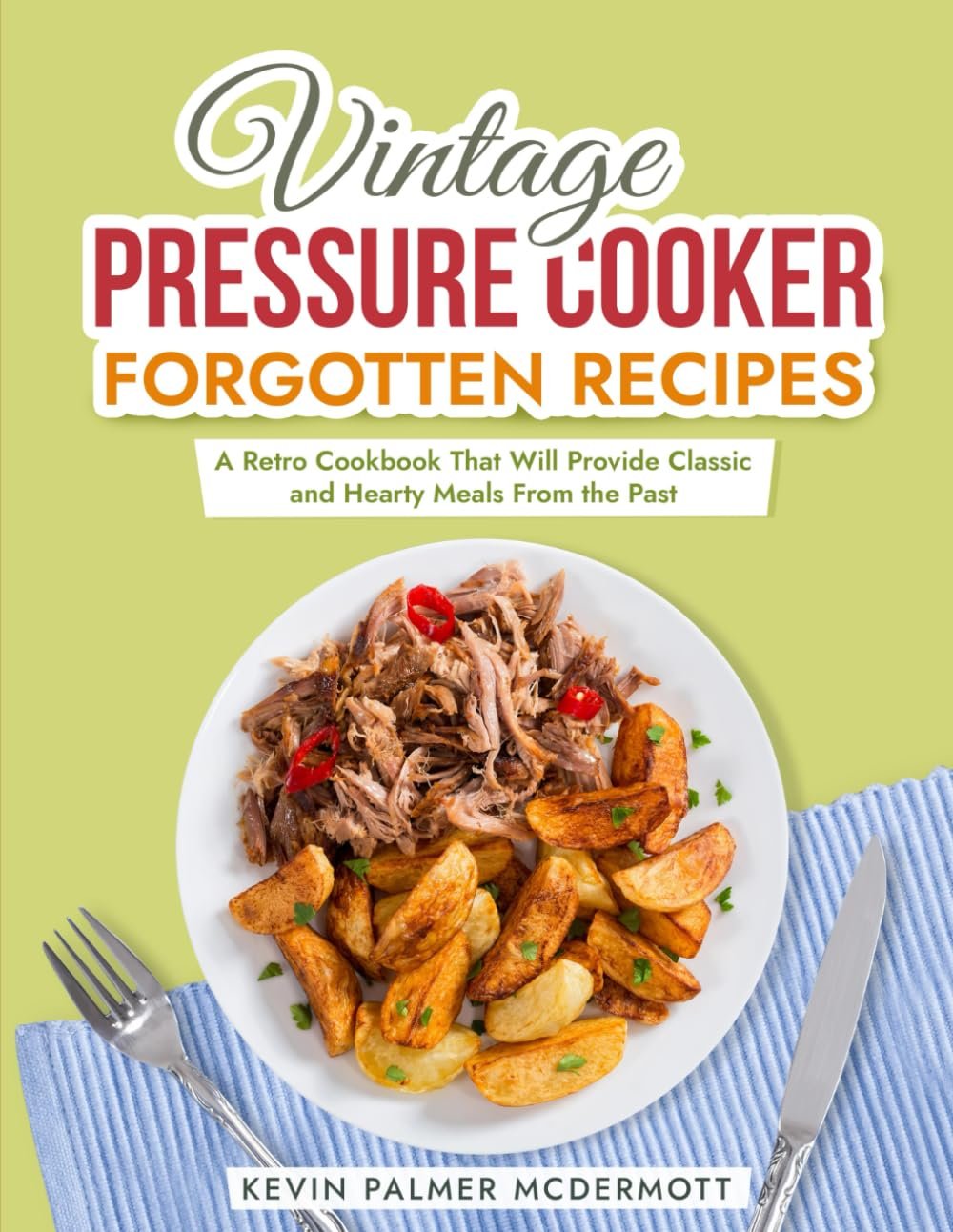
    Vintage Pressure Cooker Forgotten Recipes: A Retro Cookbook That Will Provide Classic and Hearty Meals From the Past, part of the Vintage and Retro Cookbooks category, focuses on this traditional style of pressure-cooker cooking. A collection of vintage pressure cooker recipes can give modern home cooks an opportunity to explore dishes associated with earlier generations while learning how pressure cooking was incorporated into everyday meal preparation.

    For today’s cook, the appeal is not necessarily about recreating the past exactly. Older recipes can also serve as inspiration. A classic stew can be adapted to contemporary ingredients, a traditional soup can become part of a weekly meal plan, and a familiar pressure-cooking technique can be applied to ingredients available in a modern grocery store.

    At the same time, pressure cooking requires more attention to equipment safety than many ordinary cooking methods. Older recipes may have been written for pressure cookers with different designs, pressure ratings, and safety systems than modern appliances. Understanding the equipment is therefore just as important as understanding the recipe.

    This guide explores vintage pressure cooker cooking, the types of meals associated with it, how a retro cookbook can be used today, who may find this type of resource useful, and the practical considerations worth keeping in mind when adapting older recipes to modern kitchens.

    What Is a Vintage Pressure Cooker Cookbook?

    A vintage pressure cooker cookbook is a collection of recipes associated with earlier styles of pressure cooking.

    These recipes may reflect periods when pressure cookers were primarily stovetop appliances and home cooks were becoming familiar with using pressure to speed up the preparation of foods that traditionally required longer cooking.

    Pressure cookers work by creating a sealed cooking environment in which steam increases pressure. The increased pressure raises the boiling point of water, allowing food to cook at a higher temperature than it would under ordinary atmospheric pressure.

    This can be particularly useful for foods such as dried beans and tougher cuts of meat.

    Vintage pressure cooker recipes often focus on practical meals rather than elaborate presentations. Soups, stews, roasts, vegetables, beans, and other hearty dishes are natural candidates for this cooking method.

    The cookbook’s retro focus adds a historical dimension to the recipes, making it relevant to readers interested in traditional cooking as well as people looking for practical meal ideas.

    Key Features of Vintage Pressure Cooker Recipes

    A cookbook centered on forgotten pressure cooker recipes can offer several different forms of value.

    Focus on Classic Meals

    The emphasis on classic meals connects the recipes with traditional home cooking.

    Many older pressure cooker dishes were designed around ingredients that could produce filling meals without requiring complicated preparation.

    This makes the collection potentially useful for people who enjoy familiar comfort foods and traditional cooking.

    Hearty Recipe Ideas

    Pressure cooking works particularly well with ingredients that benefit from longer cooking.

    Stews and braised dishes are common examples.

    Tougher cuts of meat can become more tender through moist cooking, while beans and legumes can be prepared more efficiently than with some conventional methods.

    Retro Cooking Inspiration

    The vintage theme offers more than recipes.

    It provides a glimpse into how previous generations approached meal preparation.

    Older recipes can show how cooks used pressure cooking to make practical family meals from relatively ordinary ingredients.

    A Different Approach to Modern Cooking

    Today’s kitchens contain numerous cooking appliances.

    Air fryers, slow cookers, electric multicookers, induction cooktops, and conventional ovens all provide different approaches to preparing food.

    A vintage pressure cooker cookbook introduces another method while highlighting traditional recipes.

    Opportunity for Recipe Adaptation

    Older recipes can be used as starting points rather than rigid instructions.

    Modern cooks can explore different vegetables, seasonings, herbs, grains, and serving styles while maintaining the general character of a traditional dish.

    Any changes involving cooking pressure, liquid levels, or equipment safety should be approached carefully, however.

    Understanding How Pressure Cooking Works

    To appreciate pressure cooker recipes, it helps to understand the basic science.

    At normal atmospheric pressure, water boils at approximately 212°F (100°C) at sea level.

    Inside a sealed pressure cooker, steam pressure increases. This allows water to reach a higher temperature before boiling.

    The higher cooking temperature accelerates many cooking processes.

    This is particularly useful for foods that would otherwise require extended simmering.

    The pressure cooker does not magically cook every ingredient faster in the same way. Cooking time depends on the food, its size, starting temperature, pressure level, and the particular appliance.

    Why Pressure Cooking Works Well for Hearty Meals

    Traditional hearty meals often include ingredients that benefit from prolonged moist cooking.

    Tougher Cuts of Meat

    Cuts containing significant connective tissue can become tender through extended cooking in a moist environment.

    Pressure cooking can shorten the time required to reach tenderness compared with some conventional braising methods.

    Dried Beans

    Dried beans are another classic pressure-cooking ingredient.

    Pressure cooking can reduce the cooking time compared with traditional stovetop simmering.

    However, beans can foam during cooking, so pressure cookers should be filled and operated according to the manufacturer’s instructions.

    Root Vegetables

    Potatoes, carrots, turnips, and similar vegetables can be cooked quickly under pressure.

    Their size matters. Large pieces require different cooking times from small pieces.

    Soups and Stews

    Pressure cooking is naturally suited to dishes containing liquid.

    Ingredients can develop together in a sealed environment, producing meals with concentrated flavors.

    How the Cookbook Can Be Used

    A vintage pressure cooker cookbook can be incorporated into a modern kitchen in several ways.

    Start With Familiar Dishes

    If you are new to pressure cooking, begin with ingredients you already understand.

    A simple soup or stew can help you become familiar with pressure release, cooking times, and liquid requirements.

    Once the basic process is comfortable, more complicated recipes can be explored.

    Explore Forgotten Family Meals

    The vintage theme can also encourage readers to revisit dishes that may resemble recipes prepared by parents or grandparents.

    Even if a specific family recipe is not included, the style of cooking may inspire similar meals.

    Plan Weekly Meals

    Pressure cooker meals can fit into weekly meal planning because many recipes center around ingredients that can be prepared in batches.

    A pot of beans, stew, or soup can potentially provide more than one meal when properly cooled, stored, and reheated.

    Prepare Meals for Gatherings

    Hearty soups and stews can be practical for family gatherings.

    However, cooking capacity varies between pressure cookers, so batch size should always remain within the manufacturer’s recommended limits.

    Adapt Traditional Recipes

    Once you understand the basic recipe, you can experiment with modern ingredients and flavor combinations.

    For example, traditional vegetable soups can be adjusted with different seasonal vegetables while retaining the same general cooking method.

    Classic Types of Pressure Cooker Meals

    A vintage pressure cooker collection can cover many categories of food.

    Soups

    Soup is one of the most natural applications of pressure cooking.

    Vegetables, beans, meat, broth, and seasonings can be combined into a single dish.

    Pressure cooking can help soften ingredients and develop flavors relatively quickly.

    Stews

    Traditional stews often contain meat, potatoes, carrots, onions, and other vegetables.

    The moist environment of pressure cooking is suitable for this style of meal.

    The exact cooking time will depend on the size and type of ingredients.

    Pot Roast

    Pot roast is another classic example.

    A tougher cut of beef can be cooked under pressure with vegetables and cooking liquid.

    The goal is usually tenderness rather than simply reaching a minimum internal temperature.

    Beans and Legumes

    Pressure cookers can be particularly useful for dried legumes.

    Different beans have different cooking requirements, and recipes may vary depending on whether the beans have been soaked.

    Always follow appropriate pressure cooker guidance for cooking beans because foaming and expansion can affect safe operation.

    Vegetables

    Pressure cooking can prepare vegetables quickly, but overcooking is possible.

    Tender vegetables generally require less time than dense root vegetables.

    Rice and Grains

    Certain pressure cookers can be used for rice and grains.

    The required water ratio and cooking time depend on the grain and appliance.

    Cooking With Older Recipes in a Modern Pressure Cooker

    This is one of the most important considerations when using vintage recipes.

    Older pressure cookers may have operated differently from modern appliances.

    Some recipes were written around specific pressure levels or particular stovetop pressure cooker designs.

    Modern pressure cookers can have different controls, pressure settings, safety mechanisms, and recommended operating procedures.

    Therefore, the recipe should not automatically be transferred word-for-word to a different appliance.

    The manufacturer’s manual should always take priority when it comes to safe operation, filling limits, pressure release, and compatible ingredients.

    Pressure Cooker Safety

    Pressure cookers contain hot food and pressurized steam.

    Improper use can result in serious burns or other injuries.

    Several basic safety principles are important.

    Follow the Manufacturer’s Instructions

    Every pressure cooker should be operated according to its specific instructions.

    This includes understanding how to lock the lid, reach pressure, maintain pressure, release pressure, and determine when the cooker can be opened safely.

    Do Not Force the Lid Open

    A pressure cooker should never be opened while it remains pressurized.

    Follow the appliance’s instructions for determining when pressure has been fully released.

    Respect Maximum Fill Lines

    Pressure cookers have specific maximum fill levels.

    Some foods require even more space because they expand or foam during cooking.

    Beans, grains, and similar ingredients can be particularly important in this respect.

    Be Careful With Steam

    Steam can cause severe burns.

    Keep hands and face away from steam-release openings and follow the manufacturer’s recommended procedure.

    Inspect the Equipment

    Before using a pressure cooker, inspect relevant components such as the sealing gasket, lid, pressure-release mechanism, valves, and other safety parts according to the manufacturer’s instructions.

    Damaged or worn components should be addressed before use.

    Why Vintage Recipes Can Require Interpretation

    Modern recipes often contain detailed instructions.

    Older recipes may assume that the reader already understands basic pressure cooking.

    A vintage recipe might say to cook an ingredient “at pressure” for a certain amount of time without providing extensive instructions about reaching pressure or releasing it.

    A modern reader may therefore need to translate the recipe into the terminology of their appliance.

    This is not necessarily a problem.

    It can be an opportunity to learn the underlying technique rather than simply following a series of automatic instructions.

    Understanding Natural and Quick Pressure Release

    Modern pressure cookers often provide different methods for releasing pressure.

    Natural Pressure Release

    With natural release, the cooker is allowed to lose pressure gradually after cooking.

    This can be useful for certain foods where a gradual pressure reduction is desirable.

    Quick Pressure Release

    A quick release uses the appliance’s designated pressure-release mechanism to reduce pressure more rapidly.

    The appropriate method depends on the recipe and appliance.

    Because steam can be extremely hot, pressure-release procedures should always follow the manufacturer’s instructions.

    Who May Find This Cookbook Useful?

    Home Cooks Interested in Traditional Recipes

    People who enjoy old-fashioned meals may appreciate the focus on classic pressure cooker dishes.

    Beginners Exploring Pressure Cooking

    A dedicated cookbook can provide recipe ideas for people learning what types of foods work well in a pressure cooker.

    Experienced Pressure Cooker Users

    Experienced cooks may use vintage recipes to expand their collection beyond contemporary dishes.

    Fans of Retro Cooking

    Readers interested in culinary history may enjoy exploring how pressure cookers were incorporated into earlier home kitchens.

    Families

    Hearty soups, stews, beans, and other substantial meals can be practical for family cooking.

    Recipe Collectors

    Cookbook enthusiasts may appreciate a collection centered on a specific historical cooking method.

    Important Things to Consider

    The Appliance Matters

    Not all pressure cookers operate identically.

    The cooker model, pressure level, capacity, heat source, and safety mechanisms can affect how a recipe should be prepared.

    Cooking Times Are Not Universal

    A recipe’s cooking time should be treated as guidance rather than an absolute guarantee.

    Ingredient size and appliance behavior can change the result.

    Liquid Is Important

    Pressure cookers require sufficient liquid to generate steam.

    The correct amount depends on the appliance and recipe.

    Do not arbitrarily reduce the liquid in a pressure-cooking recipe without understanding how the change affects pressure generation and cooking.

    Some Ingredients Behave Differently Under Pressure

    Foods such as dairy, thickeners, and certain delicate ingredients may require special handling.

    They should be added according to appropriate recipe and appliance guidance.

    Natural Thickening and Post-Cooking Thickening

    Some traditional soups and stews become thicker as they cool.

    Others may require a separate thickening step after pressure cooking.

    Adding certain thickeners before pressure cooking can interfere with proper cooking or circulation in some appliances.

    Follow recipe and manufacturer guidance.

    Vintage Pressure Cooking vs. Slow Cooking

    Slow cookers use relatively low temperatures over longer periods.

    Pressure cookers use elevated pressure and higher cooking temperatures to shorten cooking times.

    Both methods work well for soups, stews, beans, and certain meats.

    The difference is largely about process and timing.

    A slow cooker may suit someone who wants to prepare food early and let it cook over several hours.

    A pressure cooker may suit someone who wants a shorter active cooking window.

    Neither method is universally preferable.

    Vintage Pressure Cooking vs. Conventional Stovetop Cooking

    Traditional stovetop cooking provides direct control over heat and is suitable for a huge variety of dishes.

    Pressure cooking creates a different environment.

    Once the cooker reaches pressure, the food cooks in a sealed system.

    This can be useful for foods that would otherwise need long simmering.

    However, pressure cooking is less suitable for some foods where direct evaporation, browning, or frequent stirring is central to the recipe.

    Pressure Cooking vs. Modern Electric Multicookers

    Modern electric multicookers often combine pressure cooking with other functions.

    They may provide automated temperature management, digital timers, slow-cooking modes, sauté functions, and other features depending on the appliance.

    Traditional stovetop pressure cookers offer a different experience, with the cook managing the heat source and pressure more directly.

    Vintage recipes can be adapted to modern electric appliances in some cases, but users should not assume that every recipe transfers directly.

    Building a Vintage-Inspired Meal

    A retro pressure cooker recipe can become the centerpiece of a complete meal.

    For example, a hearty stew can be served with homemade bread and a simple green salad.

    A bean dish can be paired with rice and fresh vegetables.

    A traditional soup can accompany sandwiches or a simple bread-based side.

    The vintage character does not need to extend to every component.

    Modern side dishes can work perfectly well alongside traditional pressure-cooked meals.

    Using Seasonal Ingredients

    Older recipes often relied heavily on ingredients available in a particular season.

    Modern cooks can use the same principle.

    Winter meals may emphasize:

    • Potatoes
    • Carrots
    • Root vegetables
    • Beans
    • Cabbage
    • Hearty meats

    Spring and summer meals can incorporate lighter vegetables and fresh herbs.

    Using seasonal ingredients can make traditional recipes feel more connected to contemporary cooking.

    Adapting Recipes Without Losing Their Character

    There is a difference between adapting a recipe and completely replacing it.

    A small adjustment to herbs, vegetables, or serving style may preserve the original concept.

    Changing the core cooking method can produce a different dish.

    For example, replacing pressure cooking with ordinary simmering changes the timing and cooking environment.

    Similarly, substantially changing the amount of liquid can affect pressure cooking itself.

    When adapting a vintage recipe, it is helpful to identify which elements define the dish and which are more flexible.

    Common Mistakes When Using Vintage Pressure Cooker Recipes

    One common mistake is assuming that an old recipe’s instructions automatically apply to every modern pressure cooker.

    Another is ignoring the manufacturer’s fill limits.

    Using too much food can interfere with safe operation.

    A third mistake is relying entirely on the stated cooking time without considering ingredient size.

    Large chunks of meat and small pieces of vegetables obviously do not cook at the same rate.

    Improper pressure release is another concern.

    Always follow the specific safety procedure for the appliance.

    Finally, beginners sometimes change several ingredients at once. This can make it difficult to understand why the final dish differs from the original recipe.

    Tips for Getting Started

    Start with a straightforward recipe.

    Become familiar with your pressure cooker’s controls and safety features before attempting complicated dishes.

    Prepare ingredients in advance.

    Cut vegetables into reasonably consistent pieces so they cook more evenly.

    Read the entire recipe before beginning.

    Pay attention to when ingredients are added. Some foods require different cooking times and may need to be introduced at separate stages.

    Keep the manufacturer’s manual nearby.

    And remember that learning pressure cooking involves understanding both the food and the appliance.

    Frequently Asked Questions

    What is Vintage Pressure Cooker Forgotten Recipes?

    It is a retro cookbook focused on classic and hearty meals associated with traditional pressure cooking.

    Is it suitable for beginners?

    The collection can be useful for people interested in learning about vintage pressure cooker recipes, although beginners should also understand the operating instructions for their specific pressure cooker.

    What types of foods work well in pressure cookers?

    Soups, stews, beans, legumes, certain meats, root vegetables, and some grains are commonly prepared using pressure cooking.

    Can I use vintage recipes in a modern pressure cooker?

    Some recipes can be adapted, but older pressure cookers and modern appliances can differ. Always follow the instructions for the specific pressure cooker being used.

    Are pressure cookers safe?

    Modern pressure cookers incorporate safety systems, but they must still be operated correctly. Following the manufacturer’s instructions is essential.

    Can I open a pressure cooker immediately after cooking?

    Only when pressure has been completely released according to the appliance’s instructions. Never force the lid open.

    What is natural pressure release?

    Natural pressure release allows the pressure inside the cooker to decrease gradually after cooking.

    What is quick pressure release?

    Quick release uses the pressure-release mechanism specified by the appliance to reduce pressure more rapidly.

    Why do pressure cookers need liquid?

    Liquid produces steam, which is necessary for the pressure-cooking process. The required amount depends on the recipe and appliance.

    Can I reduce the liquid in an old recipe?

    Do not reduce liquid casually. Pressure cookers require appropriate liquid to generate and maintain pressure, and the manufacturer’s instructions should be followed.

    Can I cook beans in a pressure cooker?

    Yes. Beans are a traditional pressure-cooking ingredient, but they can expand and foam. Follow the manufacturer’s recommended filling limits and preparation instructions.

    Can I cook meat in a pressure cooker?

    Yes. Many types of meat can be prepared under pressure, particularly cuts that benefit from moist cooking.

    Why can pressure cooking make meat tender?

    Pressure cooking combines elevated temperature with a moist environment, which can help break down connective tissue in appropriate cuts of meat.

    Can vegetables become overcooked?

    Yes. Vegetables can cook quickly under pressure, and delicate vegetables may require shorter cooking times than dense root vegetables.

    Can I thicken soup before pressure cooking?

    It depends on the appliance and recipe. Some thickeners can interfere with cooking or circulation, so follow appropriate pressure cooker guidance.

    Can dairy be used in pressure cooker recipes?

    Some recipes include dairy, but dairy products may require special handling depending on the appliance and preparation method.

    Do vintage pressure cooker recipes require special ingredients?

    Not necessarily. Many traditional pressure cooker recipes use familiar ingredients such as meat, vegetables, beans, grains, herbs, and broth.

    Are these recipes suitable for family meals?

    The focus on classic and hearty meals makes this type of cookbook relevant to family cooking.

    Can I prepare meals ahead of time?

    Many pressure-cooked meals can be prepared in advance and stored appropriately, but food should be cooled, refrigerated, and reheated according to safe food-handling practices.

    Can I freeze pressure-cooked meals?

    Some soups, stews, beans, and similar dishes freeze well, although texture can vary depending on the ingredients.

    Are pressure cookers faster than conventional cooking?

    They can substantially reduce cooking time for certain foods, particularly ingredients that traditionally require long simmering or braising.

    Can I use a stovetop pressure cooker?

    Vintage recipes were often associated with stovetop pressure cookers. Modern stovetop models should still be operated according to their own manufacturer’s instructions.

    Can I use an electric pressure cooker?

    Some traditional recipes can be adapted, but pressure settings, controls, and cooking behavior may differ. Follow the instructions for the specific appliance.

    Why are vintage pressure cooker recipes interesting?

    They combine practical cooking techniques with a glimpse into earlier home-cooking traditions.

    Can I modify the recipes?

    You can experiment with compatible ingredients and flavors, but changes to liquid, cooking pressure, fill levels, or other technical aspects should be made carefully.

    Should I follow the recipe or the pressure cooker’s manual?

    When safety or appliance operation is involved, the manufacturer’s manual should take priority.

    What should beginners learn first?

    Start by understanding how the pressure cooker locks, reaches pressure, maintains pressure, releases pressure, and handles different fill levels.

    Final Thoughts

    Vintage pressure cooker recipes provide an interesting connection between traditional home cooking and a cooking method that remains useful today. The meals associated with pressure cooking often emphasize practical ingredients, hearty portions, soups, stews, beans, vegetables, and cuts of meat that benefit from moist cooking.

    Vintage Pressure Cooker Forgotten Recipes: A Retro Cookbook That Will Provide Classic and Hearty Meals From the Past offers a focused way to explore this style of cooking through the lens of older recipes and retro kitchen traditions.

    For someone interested in vintage cooking, the collection can provide inspiration for rediscovering dishes that may be less common in contemporary kitchens. For a beginner, it can also serve as a source of ideas for learning what kinds of meals are well suited to pressure cooking.

    The most important consideration is that vintage recipes should be understood in the context of modern equipment. Pressure cookers have evolved, and different models can have different pressure levels, controls, safety mechanisms, and operating requirements. An old recipe should therefore not override the instructions supplied with the appliance being used.

    Learning pressure cooking is partly about understanding recipes and partly about understanding the equipment. Once those fundamentals are clear, traditional dishes can be adapted thoughtfully to contemporary kitchens.

    A practical approach is to start with straightforward recipes, learn how your pressure cooker behaves, follow appropriate fill limits, use the correct amount of liquid, and become comfortable with pressure-release procedures before moving to more complicated meals.

    The vintage character of these recipes can also be used as inspiration rather than a restriction. Traditional soups can be paired with modern salads, classic stews can incorporate seasonal vegetables, and familiar family-style dishes can become part of contemporary weekly meal planning.

    For readers interested in classic cooking, retro kitchen traditions, and the practical possibilities of pressure cooking, a vintage recipe collection can provide a useful combination of culinary inspiration and historical perspective.
    You can check more details on Amazon here.

  • Vintage Bread Recipes: A Practical Guide to Classic Homemade Breads

    Vintage Bread Recipes: A Practical Guide to Classic Homemade Breads

    Bread is one of the oldest and most adaptable foods prepared in home kitchens. Across different generations, families have developed their own approaches to mixing dough, shaping loaves, working with yeast, and baking bread for everyday meals. Some recipes became household standards, while others gradually disappeared as commercial bread became more convenient.

    Vintage bread recipes offer a way to rediscover some of those older baking traditions.

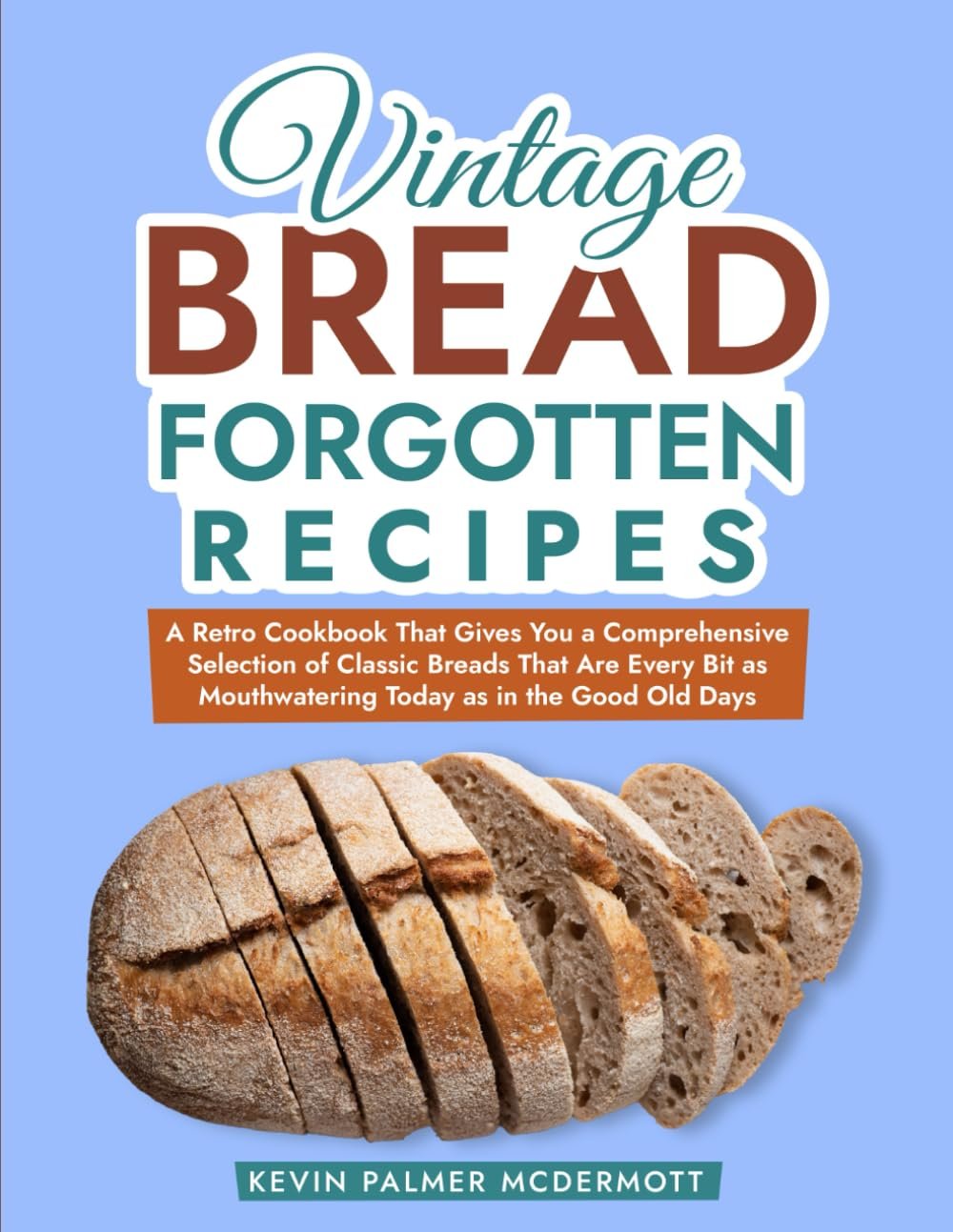
    Vintage Bread Forgotten Recipes: A Retro Cookbook That Gives You a Comprehensive Selection of Classic Breads That Are Every Bit as Mouthwatering Today, part of the Vintage and Retro Cookbooks collection, focuses on classic bread recipes associated with traditional home baking. A cookbook built around forgotten and retro breads can serve as a source of inspiration for people who want to explore older recipes, understand traditional baking methods, and bring more homemade bread into their kitchens.

    Traditional bread baking can seem intimidating at first. Dough temperature, yeast activity, hydration, kneading, proofing, shaping, and oven conditions all influence the finished loaf. Older recipes can also use terminology or measurements that are less familiar to today’s home bakers.

    With the right approach, however, vintage bread recipes can become an interesting way to learn fundamental baking skills while exploring the history and variety of homemade bread.

    This guide looks at what a vintage bread cookbook can offer, how traditional bread recipes can be incorporated into modern kitchens, the techniques worth understanding, and the practical factors to consider when working with older baking instructions.

    What Makes a Bread Recipe Vintage?

    A vintage bread recipe is generally associated with an earlier period of home baking.

    The word does not necessarily refer to one specific decade. Instead, vintage recipes can come from older family collections, community cookbooks, newspapers, magazines, handwritten recipe cards, and traditional baking books.

    These recipes often reflect the ingredients and equipment that were readily available at the time.

    Before modern bread machines and highly automated kitchen appliances became common, many households prepared bread using basic bowls, wooden spoons, measuring tools, hands, and conventional ovens.

    That history can be seen in the instructions.

    Some recipes may provide relatively simple directions because the original audience was expected to understand basic baking techniques. Others may use measurements or terminology that modern bakers need to interpret.

    This is part of the appeal of vintage baking. Preparing an older bread recipe can become both a cooking activity and an opportunity to understand how home baking developed over time.

    Key Features of a Vintage Bread Cookbook

    A cookbook centered on forgotten bread recipes can provide several useful functions for today’s home baker.

    A Broad Collection of Classic Breads

    The cookbook is presented as offering a comprehensive selection of classic bread recipes.

    A broad collection allows readers to explore different types of bread instead of relying on one basic loaf.

    Bread can vary considerably in texture, shape, ingredients, preparation method, and intended use.

    Some recipes may be appropriate for everyday sandwiches, while others may be better suited to breakfast, dinner, celebrations, or special occasions.

    Focus on Forgotten Recipes

    The emphasis on forgotten recipes provides a different source of inspiration from contemporary baking collections.

    Some traditional recipes have remained popular for generations, while others have become less familiar.

    A dedicated vintage cookbook can help bring those less commonly encountered recipes back into consideration.

    For curious bakers, this can be one of the most interesting aspects of traditional recipe collections.

    Retro Cooking Inspiration

    Vintage bread recipes can also support themed cooking projects.

    A retro dinner, family baking day, holiday gathering, or nostalgic meal can provide an opportunity to prepare traditional breads alongside other classic dishes.

    The recipes can also be used simply as everyday baking ideas.

    There is no requirement to recreate an entire historical meal to appreciate an older bread recipe.

    Traditional Baking Techniques

    Bread baking involves several fundamental techniques.

    A vintage recipe collection can encourage readers to practice:

    • Mixing
    • Kneading
    • Fermentation
    • Proofing
    • Shaping
    • Scoring
    • Baking
    • Cooling

    These skills remain relevant even when modern equipment is used.

    Why Forgotten Bread Recipes Are Still Relevant

    Commercial bread has made everyday food preparation considerably more convenient, but homemade bread offers a different experience.

    Baking bread from scratch allows the cook to control ingredients, shape, size, texture, and preparation methods.

    Vintage recipes can add another dimension by introducing techniques and flavor combinations that may not be common in everyday supermarket bread.

    Traditional recipes can also provide a useful reminder that bread does not have to follow a single formula.

    Different combinations of flour, liquid, fat, sweeteners, seeds, spices, and other ingredients can produce very different results.

    This variety makes bread baking an excellent area for experimentation.

    Understanding the Basic Components of Bread

    Before working through vintage recipes, it helps to understand what the major ingredients do.

    Flour

    Flour provides the primary structure of most bread doughs.

    Wheat flour contains proteins that can form gluten when combined with water and worked through mixing or kneading.

    Different flours behave differently.

    Bread flour often contains more protein than many all-purpose flours, while whole-grain flours contain more of the grain components beyond the refined endosperm.

    The type of flour can therefore influence dough behavior and finished texture.

    Water or Other Liquids

    Water hydrates flour and allows the dough’s structure to develop.

    Milk, buttermilk, and other liquids may also be used in particular recipes.

    Liquid temperature is especially important when working with yeast.

    Yeast

    Yeast is responsible for fermentation in many traditional breads.

    It consumes available sugars and produces carbon dioxide, which helps the dough expand.

    Yeast performance depends on factors such as temperature, moisture, and the condition of the yeast.

    Salt

    Salt contributes flavor and also affects dough development and fermentation.

    Because salt plays a functional role, changing its quantity substantially can affect the recipe beyond simply changing how salty the bread tastes.

    Sugar

    Some bread recipes contain sugar, honey, molasses, or another sweetener.

    These ingredients can contribute sweetness, browning, and other characteristics.

    Not all breads require added sweeteners.

    Fat

    Butter, shortening, oil, or other fats can appear in certain bread recipes.

    Fat can influence tenderness, flavor, and dough handling.

    Different fats can produce different results, so substitutions should be considered carefully.

    Understanding Yeast and Fermentation

    Yeast breads can appear complicated until fermentation is understood.

    Yeast needs appropriate conditions to become active.

    Temperature is particularly important. Excessively hot liquid can damage yeast, while very cold conditions can slow fermentation.

    That is why recipes often specify a liquid temperature range or provide visual instructions for determining whether yeast is active.

    Fermentation time is not always fixed.

    Room temperature, dough temperature, yeast activity, flour composition, and other factors can influence how quickly dough rises.

    Instead of relying exclusively on the clock, bakers can learn to recognize visual changes in dough volume and texture.

    Kneading and Dough Development

    Kneading helps develop dough structure.

    The process stretches and reorganizes gluten-forming proteins in wheat flour.

    Traditional recipes may recommend kneading by hand for a specified amount of time, but the actual dough condition can be more informative than a strict number of minutes.

    A properly developed dough may become smoother, more elastic, and easier to handle.

    The amount of kneading needed depends on the recipe and flour.

    Some breads intentionally use gentler mixing methods, while others require more intensive development.

    First Rise and Proofing

    Many yeast breads go through more than one period of fermentation.

    The first rise, often called bulk fermentation, allows the dough to develop volume and flavor.

    After that stage, the dough may be divided and shaped before a second rise.

    The second rise allows the shaped dough to expand before baking.

    Timing varies significantly depending on temperature and recipe design.

    A kitchen that is cooler than the environment used to develop the original recipe may require additional time.

    Shaping Traditional Bread

    Bread shaping is both practical and visual.

    A loaf can be shaped into a round, oval, rectangular, braided, or other form depending on the recipe.

    Shaping affects how the dough expands during baking.

    A well-shaped loaf generally needs enough surface tension to maintain its form while still allowing the dough to expand.

    Beginners may find shaping easier after practicing with relatively simple loaf forms.

    Scoring Bread

    Some breads are scored before baking.

    Scoring creates controlled openings in the dough’s surface.

    As the bread expands in the oven, these cuts can help direct where expansion occurs.

    A sharp blade or appropriate bread-scoring tool should be handled carefully.

    The depth and pattern of scoring depend on the type of bread.

    Baking Vintage Bread in a Modern Oven

    One of the challenges of working with older recipes is that the original oven may have been very different from a contemporary appliance.

    Modern ovens can provide more precise temperature settings, but actual oven temperatures can still vary.

    An oven thermometer can help determine whether the oven is heating close to the displayed setting.

    Baking time should also be treated as an estimate.

    Bread size, dough temperature, oven performance, pan material, and other factors can affect how quickly a loaf bakes.

    Visual indicators and internal temperature measurements can provide additional information.

    How the Cookbook Can Be Used

    A vintage bread cookbook can be used in several ways.

    As a Beginner’s Introduction

    New bakers can start with relatively straightforward bread recipes.

    The goal should be learning the process rather than immediately attempting the most complicated loaf.

    As a Source of Traditional Recipes

    Experienced bakers can use the collection to explore breads they may not have encountered in modern cookbooks.

    For Family Baking

    Bread baking can become a shared kitchen activity.

    Children can participate in appropriate supervised tasks such as measuring ingredients, mixing dough, shaping simple portions, or decorating finished bread.

    Adults should handle hot ovens, baking trays, sharp tools, and other potentially hazardous equipment.

    For Holiday Meals

    Homemade bread can complement holiday dinners and special occasions.

    Traditional recipes may provide a nostalgic element to a modern meal.

    For Weekend Baking Projects

    Some breads require substantial fermentation and preparation time.

    Weekend baking can provide the flexibility needed for recipes that do not fit easily into a busy weekday schedule.

    Types of Bread to Explore

    A comprehensive collection may include different bread styles, each offering its own learning opportunity.

    White Bread

    Classic white bread is often approachable for beginners because its ingredients are relatively familiar.

    It can be shaped into sandwich loaves, rolls, or other forms depending on the recipe.

    Whole Wheat Bread

    Whole wheat bread uses flour containing more of the wheat grain.

    Whole-grain dough can behave differently from refined-flour dough and may require adjustments in hydration or technique depending on the recipe.

    Dinner Rolls

    Rolls provide an opportunity to practice dividing and shaping dough.

    Because individual portions are smaller, they can also provide useful practice with portion consistency.

    Sweet Breads

    Some traditional breads contain sugar, butter, eggs, dried fruits, spices, or other ingredients.

    These breads can blur the boundary between everyday bread and dessert-style baking.

    Quick Breads

    Not every traditional bread requires yeast.

    Quick breads rely on chemical leaveners such as baking powder or baking soda.

    These breads generally have a different texture and preparation process from yeast-leavened loaves.

    Specialty and Regional Breads

    Traditional baking varies across regions.

    Regional breads can introduce different grains, shaping techniques, spices, seeds, and preparation methods.

    This is one reason a broad vintage cookbook can be interesting for readers who want to explore baking beyond familiar supermarket styles.

    Working With Older Measurements

    Older recipes may use terminology that is less precise than modern baking instructions.

    A recipe might refer to a cup, spoonful, pinch, handful, or other informal measurement.

    When a measurement seems ambiguous, avoid guessing if the difference could substantially affect the recipe.

    Reliable baking references can help interpret unfamiliar terminology.

    For flour in particular, weighing ingredients can improve consistency when a dependable weight conversion is available.

    Adjusting Vintage Recipes for Modern Ingredients

    Ingredient availability changes over time.

    A traditional recipe may call for a product that is no longer commonly stocked in modern grocery stores.

    Before substituting, consider the ingredient’s role.

    If it provides acidity, fat, moisture, sweetness, or structure, replacing it with something chemically different may alter the dough significantly.

    Some substitutions are straightforward, while others require experimentation.

    For best results, understand the original recipe before making major changes.

    Who May Find a Vintage Bread Cookbook Useful?

    Beginner Bakers

    A traditional bread collection can provide a structured way to practice foundational techniques.

    Experienced Home Bakers

    Experienced cooks may enjoy discovering recipes that are less common in contemporary collections.

    Fans of Traditional Cooking

    People interested in old-fashioned cooking methods may appreciate the historical character of vintage bread recipes.

    Families

    Bread baking can become a shared activity and an opportunity to introduce children to basic food preparation under appropriate supervision.

    Hosts and Entertainers

    Homemade bread can complement meals for family gatherings, holidays, and dinner parties.

    Recipe Collectors

    People who enjoy collecting cookbooks may find vintage baking themes particularly appealing.

    Important Things to Consider

    Bread Requires Patience

    Yeast dough often needs time to ferment and rise.

    Even a recipe described as simple may involve several stages.

    Your Kitchen Conditions Matter

    Temperature and humidity can affect dough development.

    A recipe developed in a warm kitchen may behave differently in a cooler environment.

    Flour Can Vary

    Different brands and types of flour can absorb different amounts of water.

    This can affect dough consistency.

    Don’t Rely Only on the Clock

    Rise times are estimates.

    Look at the dough itself and learn to recognize when it has expanded sufficiently.

    Follow Food-Safety Practices

    Raw dough can contain ingredients that require careful handling.

    Wash hands and utensils appropriately and avoid consuming raw dough when ingredients such as uncooked flour or eggs are present.

    Allow Bread to Cool

    Fresh bread can continue changing internally after it comes out of the oven.

    Cutting into a loaf immediately can make the crumb appear different from its final texture.

    Allowing bread to cool according to the recipe can produce more predictable slicing and texture.

    Vintage Bread Baking vs. Bread Machines

    Bread machines automate much of the mixing, kneading, proofing, and baking process.

    They can be convenient for people who want relatively hands-off bread preparation.

    Traditional bread baking requires more direct involvement.

    The baker controls the dough and observes how it develops.

    A bread machine can still be useful for certain recipes, but not every traditional recipe will translate directly to machine baking.

    The two approaches serve different purposes.

    Vintage Bread Baking vs. Stand Mixer Baking

    A stand mixer can reduce the physical effort involved in kneading.

    This can be useful for larger batches or doughs that require substantial mixing.

    Hand kneading, however, provides direct feedback about the dough’s texture and development.

    Neither approach is inherently superior.

    A baker can choose based on available equipment, batch size, physical comfort, and personal preference.

    Vintage Bread Baking vs. Store-Bought Bread

    Commercial bread provides convenience and consistency.

    Homemade bread offers control over ingredients, preparation, shape, and timing.

    Traditional recipes also provide an opportunity to learn about fermentation and dough handling.

    The choice does not need to be either-or.

    Many households use store-bought bread during busy periods and bake homemade bread when time allows.

    Building Confidence With Bread Baking

    Bread baking can feel intimidating because dough changes throughout the process.

    The mixture may initially seem sticky, then become smoother as gluten develops.

    During fermentation, the dough expands.

    After shaping, it changes again.

    Understanding these stages makes the process easier.

    A useful strategy is to focus on one variable at a time.

    For example, learn how hydration affects dough before experimenting with several different flours.

    Once the basic process becomes familiar, more complex recipes become easier to understand.

    Troubleshooting Common Bread Problems

    Dense Loaf

    A dense loaf can have several possible causes.

    Yeast may have been inactive, the dough may have been under-proofed, the dough may have been handled incorrectly, or the recipe may have been altered.

    Bread Does Not Rise

    Temperature, yeast condition, and fermentation time are common factors.

    Cold environments can significantly slow yeast activity.

    Dough Is Too Sticky

    Hydration, flour type, and measuring technique can all influence stickiness.

    Adding large amounts of flour immediately may create a dense loaf.

    It is often better to understand why the dough is sticky before making major adjustments.

    Dough Is Too Dry

    Too much flour or insufficient liquid can produce dry dough.

    Flour measurement methods can contribute to this problem.

    Uneven Crust

    Oven temperature, loaf placement, pan material, and baking conditions can influence crust development.

    Burned Exterior With Undercooked Interior

    This can occur when the oven is too hot, the loaf is too large, or the baking conditions are not appropriate for the particular recipe.

    Adjustments should be based on the specific recipe and equipment.

    Practical Tips for Using Vintage Bread Recipes

    Read the entire recipe before starting.

    Measure ingredients carefully.

    Prepare the workspace before beginning.

    Check that yeast is active when the recipe requires it.

    Pay attention to dough texture rather than relying exclusively on the clock.

    Use a thermometer when appropriate.

    Avoid unnecessary substitutions during the first attempt.

    Take notes when experimenting.

    Allow enough time for fermentation and cooling.

    Most importantly, treat each loaf as an opportunity to learn how ingredients and technique interact.

    Frequently Asked Questions

    What is Vintage Bread Forgotten Recipes about?

    It is a retro cookbook focused on a broad selection of traditional and less commonly encountered bread recipes.

    Is the cookbook suitable for beginners?

    The focus on classic breads can make it useful for beginners interested in learning traditional bread-baking techniques, although individual recipes may vary in complexity.

    What makes a bread recipe “forgotten”?

    A forgotten recipe is generally one that was once more familiar or commonly prepared but has become less prominent in modern kitchens.

    Do vintage bread recipes require special equipment?

    Not necessarily. Many traditional breads can be made using basic kitchen equipment, although modern mixers, scales, and thermometers can make certain tasks easier.

    Can vintage bread recipes be made in a modern oven?

    Yes. Traditional recipes can generally be adapted to modern ovens, but baking temperature and timing may require attention because ovens vary.

    Do I need a stand mixer?

    No. Many bread doughs can be mixed and kneaded by hand. A stand mixer is an optional tool that can reduce physical effort.

    Can a bread machine be used?

    Some recipes may be adaptable to a bread machine, but not every traditional recipe will work with an automated bread-machine cycle.

    Why does yeast sometimes fail to make dough rise?

    Yeast activity can be affected by temperature, age, moisture, and other conditions. Very hot liquid can damage yeast, while cold conditions can slow fermentation.

    How long should bread dough rise?

    There is no universal time. Fermentation depends on the recipe and environmental conditions. Dough appearance and volume can provide useful indicators.

    Why is my dough sticky?

    Dough stickiness can be influenced by hydration, flour type, measuring methods, and temperature. Adding flour should be done carefully because excessive flour can produce a dense result.

    Why is my homemade bread dense?

    Several factors can contribute, including insufficient fermentation, inactive yeast, excessive flour, inadequate dough development, or other recipe-specific issues.

    Should I weigh flour?

    Weighing flour can improve consistency when the recipe provides reliable weight measurements or when a trustworthy conversion is available.

    Can I substitute ingredients?

    Some substitutions are possible, but ingredients often serve specific structural or chemical functions. Major substitutions can change the final result.

    Can I add seeds or nuts?

    Many bread recipes can accommodate additions such as seeds or nuts, but the amount and timing should be appropriate for the dough.

    Can children help with bread baking?

    Yes, with suitable supervision. Children can help measure ingredients, mix dough, and perform simple shaping tasks while adults handle hot ovens and sharp equipment.

    How should homemade bread be stored?

    Storage depends on the type of bread and its ingredients. Allow bread to cool appropriately before storing and use suitable food-storage practices.

    Why should bread cool before slicing?

    Cooling allows the interior crumb to finish setting. Cutting too early can produce a texture that appears gummy or less developed.

    Can vintage bread recipes be made healthier?

    Recipes can sometimes be adapted, but changing ingredients can affect texture and structure. Nutritional changes should be considered alongside the recipe’s baking requirements.

    Are whole-grain breads harder to make?

    Whole-grain dough can behave differently from refined-flour dough. It may require different hydration and handling depending on the recipe.

    What is the difference between yeast bread and quick bread?

    Yeast bread relies on fermentation for leavening, while quick breads generally use chemical leaveners such as baking powder or baking soda.

    Why does bread crack during baking?

    Cracking can result from shaping, scoring, proofing, or the way dough expands in the oven. Controlled scoring is sometimes used to direct expansion.

    Do I need to score every loaf?

    No. Scoring is particularly associated with certain styles of bread. Whether it is appropriate depends on the recipe and loaf structure.

    Can I freeze homemade bread?

    Many breads can be frozen when packaged appropriately, although texture can vary depending on the recipe and storage method.

    Can I use vintage recipes for holiday meals?

    Yes. Traditional breads can complement holiday dinners, breakfasts, brunches, and other special occasions.

    Are old bread recipes still relevant today?

    They can be. Fundamental baking principles such as fermentation, dough development, shaping, and temperature management remain relevant even when modern equipment is used.

    Final Thoughts

    Traditional bread baking offers a direct connection to one of the oldest forms of home cooking. Long before automated appliances and highly standardized commercial products became commonplace, people developed recipes around the ingredients, tools, and cooking environments available to them.

    Vintage Bread Forgotten Recipes: A Retro Cookbook That Gives You a Comprehensive Selection of Classic Breads That Are Every Bit as Mouthwatering Today provides a way to explore that tradition through a collection centered on classic and less commonly encountered breads.

    For beginners, the recipes can provide opportunities to practice foundational techniques such as mixing, kneading, fermentation, shaping, and baking. For experienced bakers, they can introduce different approaches to familiar ingredients and encourage experimentation with traditional styles.

    Working with vintage recipes does require some flexibility. Older instructions may use unfamiliar terminology, measurements may need interpretation, and modern ovens can behave differently from the equipment available when a recipe was originally created. Flour, yeast, room temperature, humidity, and other factors can also affect the outcome.

    These differences are not necessarily obstacles. They are part of learning how bread behaves.

    The most useful approach is to begin with manageable recipes, follow the original instructions carefully, and make changes gradually once the basic process is understood. Paying attention to dough texture, fermentation, oven temperature, and internal doneness can provide more useful information than relying solely on a fixed timeline.

    A vintage bread cookbook can therefore serve more than one purpose. It can be a recipe collection, a source of culinary inspiration, a practical baking reference, and an introduction to traditional food preparation.

    Whether you are interested in homemade sandwich bread, dinner rolls, whole-grain loaves, sweet breads, quick breads, or less familiar traditional recipes, exploring older baking methods can add variety to a modern kitchen while preserving an appreciation for the techniques that shaped home bread making.

    You can check more details on Amazon here.

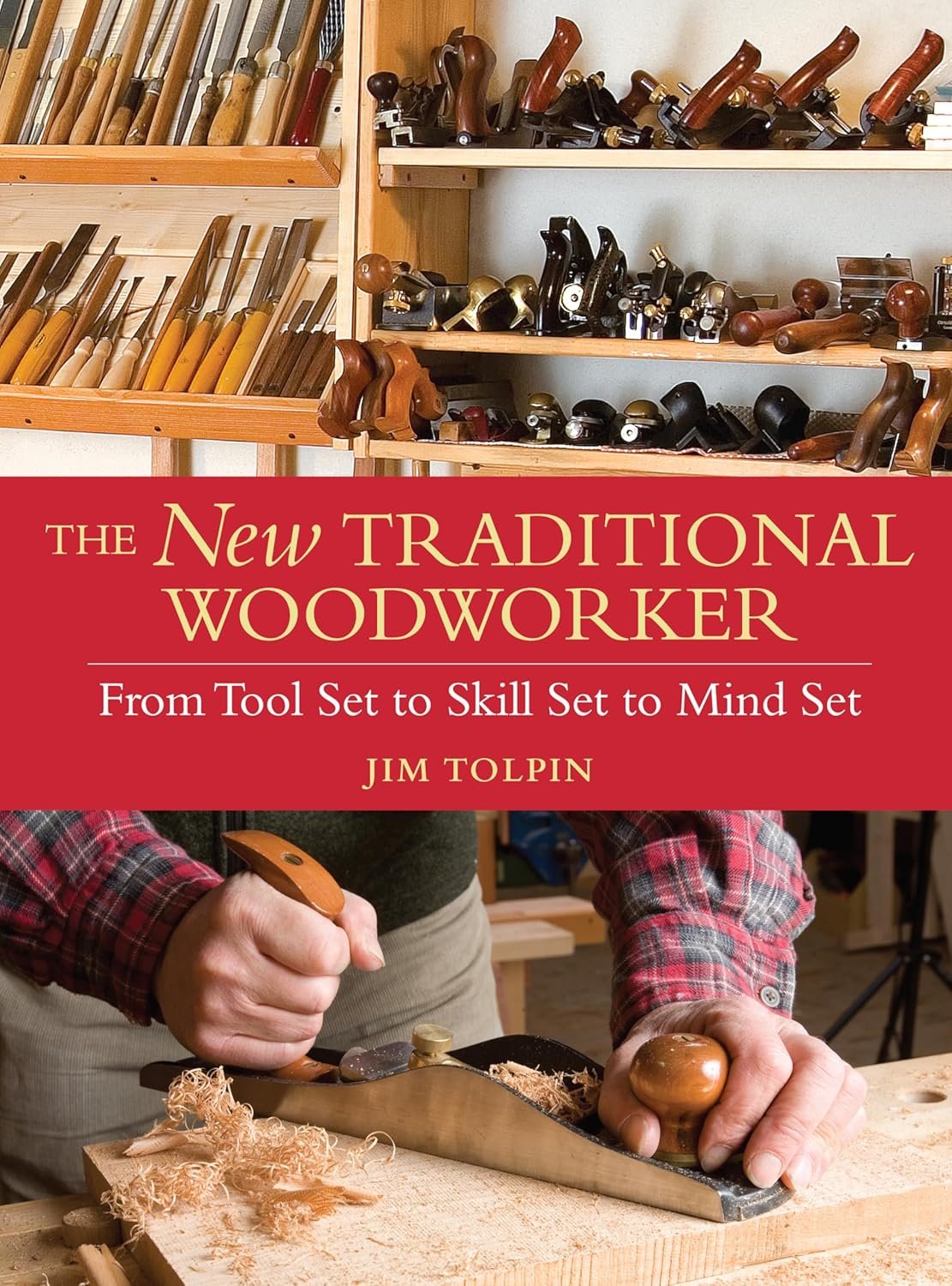
  • The New Traditional Woodworker: A Practical Guide to Tools, Skills, and Mindset

    The New Traditional Woodworker: A Practical Guide to Tools, Skills, and Mindset

    Traditional woodworking has a distinctive appeal in a world where many products are designed, manufactured, and assembled with increasingly automated processes. Working with wood by hand offers a different kind of experience. It requires attention, patience, technique, and an understanding of how materials respond to tools.

    For someone interested in getting started with hand-tool woodworking, however, the number of available tools and techniques can quickly become confusing. Hand planes, chisels, saws, marking tools, sharpening equipment, workbenches, and joinery methods all have their own learning curves. Buying a collection of tools does not automatically create woodworking skill.

    That idea is central to The New Traditional Woodworker: From Tool Set to Skill Set to Mind Set, a woodworking book associated with Popular Woodworking. Rather than treating traditional woodworking as simply a matter of collecting old-fashioned tools, the book focuses on the broader development of a woodworker, including tools, practical skills, and the mindset required to work effectively with hand tools.

    This makes the subject relevant not only to complete beginners but also to woodworkers who want to understand traditional techniques more systematically.

    This guide explores the ideas behind traditional hand-tool woodworking, the role of a suitable tool set, the skills that need to be developed, ways a woodworking book can be used as a learning resource, and important considerations before investing time and money into this style of woodworking.

    What Is Traditional Woodworking?

    Traditional woodworking generally refers to methods that rely heavily on hand tools and techniques developed before modern power tools became widespread.

    This can include tools such as:

    • Hand saws
    • Chisels
    • Hand planes
    • Marking gauges
    • Squares
    • Brace and bits
    • Scrapers
    • Files
    • Sharpening stones

    Traditional woodworking does not necessarily mean avoiding every modern tool. Many contemporary woodworkers combine hand tools with power tools depending on the project.

    The distinction is often more about how the work is approached.

    A hand-tool woodworker needs to understand the behavior of the material and the relationship between the tool’s cutting edge, the workpiece, and the user’s technique.

    For example, a hand plane can remove material and create a smooth surface, but the result depends on blade sharpness, blade projection, plane setup, grain direction, body position, and the way the tool is pushed across the wood.

    The tool is only part of the equation.

    From Tool Set to Skill Set to Mindset

    The title of this book highlights three connected stages: tool set, skill set, and mindset.

    This distinction is useful because beginners can sometimes assume that acquiring high-quality tools is the main challenge.

    In reality, tools provide capability, but skills determine how effectively they are used.

    Mindset influences how those skills develop.

    Tool Set

    The tool set includes the physical equipment used to perform woodworking operations.

    A beginner may need surprisingly few tools to start learning basic hand-tool techniques.

    A carefully selected set might include a saw, a plane, chisels, marking tools, a mallet, and sharpening equipment.

    The goal is not necessarily to own dozens of specialized tools.

    Skill Set

    The skill set consists of the techniques needed to use those tools effectively.

    This includes:

    • Measuring
    • Marking
    • Sawing
    • Chiseling
    • Planing
    • Sharpening
    • Joinery
    • Workholding
    • Surface preparation
    • Reading grain direction

    A person can own an excellent hand plane without knowing how to tune or sharpen it properly.

    Developing the skill set is therefore more important than simply increasing the size of the tool collection.

    Mindset

    Mindset refers to the habits and attitudes that support woodworking.

    Traditional hand-tool work often rewards patience.

    If a cut is slightly inaccurate, rushing the next step can make the problem worse. A careful woodworker learns to inspect the work, understand what went wrong, and make controlled corrections.

    This approach can be applied far beyond woodworking.

    Key Features of the Book’s Approach

    A book built around tools, skills, and mindset can provide a different learning experience from a project-only woodworking book.

    Emphasis on Hand Tools

    The book focuses on traditional woodworking methods and the tools associated with them.

    This can help readers understand why certain tools exist and what tasks they are intended to perform.

    Rather than viewing a tool as an isolated object, the learning process can connect the tool to a specific woodworking operation.

    Skill Development

    Another important aspect is the transition from owning tools to knowing how to use them.

    This distinction matters because hand-tool woodworking often requires setup and maintenance.

    A saw needs appropriate teeth and technique. A plane needs an adequately sharp blade and proper adjustment. Chisels need reliable cutting edges.

    These skills develop through practice.

    Mindset and Working Habits

    The mental side of woodworking can be just as important as the physical side.

    Working slowly enough to observe the material, checking measurements before cutting, and learning from mistakes are all useful habits.

    A traditional woodworking approach can encourage deliberate work rather than rushing toward the finished object.

    Practical Learning

    Woodworking is a practical discipline. Reading about a technique is useful, but understanding generally improves when the reader applies the information to actual wood.

    A book such as this can therefore function as a reference to consult before and during hands-on practice.

    Building a Traditional Woodworking Tool Set

    One of the first questions beginners ask is which tools they need.

    The answer depends on the type of woodworking being planned.

    A furniture maker may need a different collection from someone building small boxes or household objects.

    Hand Saws

    Saws are among the fundamental hand tools.

    Different saws are designed for different types of cuts.

    A crosscut saw is intended for cutting across wood fibers, while a rip saw is designed around cutting along the grain.

    Specialized saws can also be used for joinery.

    Understanding why saw teeth differ can help a beginner choose and use saws more effectively.

    Hand Planes

    Hand planes remove thin layers of wood and can be used for flattening, smoothing, jointing, and other operations.

    Different plane designs serve different purposes.

    A smoother is generally associated with producing a refined surface, while a longer plane can be useful when working toward flatness over a larger area.

    The important point for beginners is that plane performance depends heavily on setup and sharpening.

    Chisels

    Chisels are versatile tools for removing small amounts of wood and refining joints.

    They can be used for mortises, paring, chopping, trimming, and many other tasks.

    A basic set of appropriately sized bench chisels can cover a wide range of work.

    Marking Tools

    Accurate marking is one of the foundations of woodworking.

    Useful tools can include:

    • Combination squares
    • Marking gauges
    • Pencils
    • Knives
    • Dividers

    A precise mark provides a clear reference for cutting or chiseling.

    Mallets

    Wooden mallets are commonly used with chisels.

    A mallet allows controlled force to be applied without striking a chisel handle with a harder metal hammer in situations where that could damage the tool.

    Sharpening Equipment

    Sharpening is one of the most important skills in traditional woodworking.

    A dull cutting edge makes many tasks harder and can encourage excessive force.

    Sharpening systems vary widely. Waterstones, oilstones, diamond plates, abrasive papers, and powered systems are all used by different woodworkers.

    The specific method matters less than learning to create and maintain a reliable edge safely and consistently.

    Why Sharp Tools Matter

    A sharp tool is not simply more convenient.

    In many woodworking operations, a properly sharpened cutting edge allows the woodworker to make controlled cuts with less unnecessary force.

    A dull tool may require greater pressure, which can reduce control.

    This is particularly important when working near hands and fingers.

    Sharp tools still require caution, of course. A sharp chisel or plane blade can cause injury if handled carelessly.

    Proper workholding, controlled movements, and appropriate tool storage remain essential.

    Understanding Wood Grain

    Traditional woodworking places considerable emphasis on understanding grain direction.

    Wood is not a uniform material. Grain patterns, growth characteristics, knots, figure, density, and moisture can influence how a board behaves.

    Planing in the wrong direction can produce tear-out, where pieces of wood break away below the intended surface.

    Recognizing grain direction can help the woodworker select a more appropriate cutting direction.

    This is one example of why hand-tool woodworking involves observation as much as physical technique.

    Measuring and Marking Accurately

    Accuracy begins before cutting.

    A woodworker needs to understand dimensions, reference faces, layout lines, and repeatability.

    A useful habit is to establish a reliable reference edge or face and measure from it consistently.

    Marking with a knife rather than only a pencil can also create a more precise physical reference for certain joinery operations.

    The specific technique depends on the project, but the principle is consistent: accurate layout makes accurate cutting easier.

    Learning Basic Joinery

    Joinery is the process of connecting pieces of wood.

    Traditional woodworking includes a wide range of joints.

    Butt Joints

    A butt joint simply brings one piece against another.

    It is easy to understand but may require additional reinforcement depending on the application.

    Dovetail Joints

    Dovetails are strongly associated with traditional furniture and box making.

    They require accurate layout and careful cutting.

    Learning dovetails can improve a woodworker’s understanding of grain direction, saw control, chiseling, and precision.

    Mortise and Tenon

    The mortise-and-tenon joint uses a projecting tenon that fits into a corresponding mortise.

    It is widely associated with traditional furniture construction.

    Producing a good mortise and tenon requires careful measurement and controlled material removal.

    Half-Lap Joints

    A half-lap joint removes material from each connecting piece so they overlap.

    This can be useful for certain frames and structural applications.

    Rabbet and Dado Joints

    Rabbets and dados create recesses that allow components to fit together.

    These joints can be produced with hand tools or power tools depending on the woodworker’s approach.

    How the Book Can Be Used

    A woodworking book does not need to be read once and then put aside.

    It can serve several roles throughout the learning process.

    As a Beginner’s Introduction

    Someone completely new to hand-tool woodworking can use the material to understand the basic philosophy behind traditional methods.

    This can help prevent the common mistake of purchasing many tools before understanding what they are actually used for.

    As a Tool Reference

    When considering a new tool, readers can use a woodworking reference to understand its purpose and whether it fits their current projects.

    This can encourage more deliberate purchasing.

    During Practice

    Keep the book nearby when practicing techniques.

    Read the relevant section before starting, then return to it when something does not behave as expected.

    As a Project Companion

    Traditional woodworking projects involve multiple skills.

    A project may require measuring, marking, sawing, planing, chiseling, sharpening, and finishing.

    A general woodworking guide can help connect these individual skills.

    For Long-Term Skill Development

    Hand-tool woodworking is not a skill that needs to be mastered in a weekend.

    The book can be revisited as the reader progresses.

    A beginner may initially understand only the basic concepts. After several projects, the same explanations can become more meaningful because the reader has gained practical context.

    Who May Find This Book Useful?

    Complete Beginners

    People starting traditional woodworking may benefit from understanding the relationship between tools and techniques before assembling a workshop.

    Hobby Woodworkers

    Existing hobbyists who primarily use power tools may find traditional hand-tool techniques interesting as an additional skill set.

    Furniture Makers

    Furniture projects often involve precision joinery and surface preparation, areas where hand tools remain useful.

    DIY Enthusiasts

    DIY hobbyists interested in building household objects can incorporate traditional techniques into their projects.

    Woodworking Students

    Someone taking a woodworking course or learning independently can use a general reference as supplementary material.

    Experienced Woodworkers

    More experienced woodworkers may use the book as a reference or as a way to revisit fundamentals.

    Important Things to Consider Before Starting Traditional Woodworking

    Traditional woodworking is rewarding for many people, but it requires realistic expectations.

    Skill Takes Time

    Owning a complete tool set does not eliminate the learning curve.

    Sawing accurately, sharpening properly, planing surfaces, and cutting joinery all require practice.

    Tool Quality Is Not the Same as Skill

    A more expensive tool may provide useful advantages, but it cannot replace technique.

    Beginners should generally focus on learning how to use and maintain a manageable set of tools rather than continuously upgrading equipment.

    Used Tools Can Require Restoration

    Traditional woodworking tools are often available secondhand.

    Older planes, saws, and chisels can sometimes be restored and used effectively.

    However, restoration may require additional knowledge and time.

    A tool that looks inexpensive at first can require cleaning, sharpening, flattening, replacement parts, or other work.

    Workholding Matters

    A stable workpiece is essential.

    Traditional woodworking benches often include vises and other systems designed to secure boards during cutting and planing.

    A poorly secured piece can move unexpectedly and make accurate work more difficult.

    Safety Should Be Part of the Technique

    Woodworking involves sharp tools and potentially heavy materials.

    Eye protection may be appropriate for certain operations. Dust protection can also be important depending on the task and environment.

    Tools should be handled deliberately, stored safely, and kept in appropriate condition.

    Traditional Woodworking vs. Power Tool Woodworking

    Traditional and modern woodworking are not necessarily opposing philosophies.

    Power tools can remove material quickly and efficiently.

    Table saws, routers, circular saws, drills, planers, and other equipment can significantly increase production speed.

    Hand tools, meanwhile, provide precision and control for many tasks.

    A woodworker may use a power tool to rough-cut a component and a hand plane to refine the final surface.

    This hybrid approach is common in modern workshops.

    The choice depends on the project, workspace, available equipment, noise considerations, and personal preference.

    Hand Tools vs. Power Tools for Beginners

    Power tools can appear faster, but they also introduce their own learning requirements.

    A table saw, for example, requires understanding blade selection, fence alignment, kickback risks, workpiece control, and safe feeding techniques.

    Hand tools involve different challenges, such as sharpening, body mechanics, grain direction, and controlled cutting.

    Neither approach is automatically easier.

    A beginner should choose equipment based on the type of work planned and the environment available.

    Traditional Woodworking vs. CNC and Digital Fabrication

    Digital fabrication represents another end of the woodworking spectrum.

    CNC routers can produce highly repeatable cuts from digital designs.

    This is useful for production work and complex shapes.

    Traditional hand-tool woodworking relies much more heavily on direct interaction with the material.

    The two approaches can even complement one another.

    A CNC machine might produce a rough component, while hand tools refine edges and surfaces.

    Understanding traditional woodworking can also give digital fabrication users a stronger appreciation of how wood behaves physically.

    Developing a Woodworking Mindset

    The mindset aspect of traditional woodworking deserves special attention.

    Slow Down Before Cutting

    A common woodworking principle is that cutting material is irreversible.

    A measurement can be checked again. A pencil mark can be moved. Once wood has been cut away, however, replacing it is much more complicated.

    Taking a moment to verify dimensions can prevent unnecessary mistakes.

    Learn From Mistakes

    Errors are part of learning woodworking.

    A crooked saw cut, tear-out, poorly fitting joint, or uneven surface can reveal something about technique.

    Instead of simply discarding the mistake, examine what caused it.

    That process gradually builds practical judgment.

    Work With the Material

    Wood has natural characteristics.

    Instead of forcing a tool through difficult grain, experienced woodworkers often adjust the approach.

    Changing the cutting direction, sharpening the tool, reducing the depth of cut, or supporting the workpiece differently can improve control.

    Develop Patience

    Traditional woodworking rewards repeated practice.

    The first dovetail may not look like the tenth.

    The first attempt at sharpening may take longer than expected.

    Progress comes from repetition and adjustment.

    Setting Up a Small Hand-Tool Workshop

    A large workshop is not required to begin learning.

    A basic setup may include:

    • A sturdy work surface
    • Bench vise or appropriate workholding system
    • Hand saw
    • Bench plane
    • Chisels
    • Combination square
    • Marking tool
    • Mallet
    • Sharpening equipment
    • Clamps
    • Appropriate safety equipment

    The exact setup depends on the projects being built.

    A small workshop can be effective if tools are organized and the work surface is stable.

    Maintaining Woodworking Tools

    Tool maintenance is part of traditional woodworking.

    Clean Tools Regularly

    Remove dust, resin, and debris after use.

    Metal surfaces may require appropriate protection against corrosion, particularly in humid environments.

    Maintain Cutting Edges

    Chisels, plane irons, and other cutting tools should be sharpened when necessary.

    Waiting until a tool becomes extremely dull can make the sharpening process more frustrating.

    Store Tools Safely

    Protect cutting edges from unnecessary contact with other tools.

    A dedicated toolbox, rack, or cabinet can reduce accidental damage.

    Inspect Tools Before Use

    Check handles, blades, screws, and other components before beginning a project.

    Damaged equipment should be repaired or replaced as appropriate.

    Choosing Wood for Practice

    Beginners can benefit from selecting wood that is relatively predictable.

    Softwoods can sometimes be accessible for practice, although their behavior differs from hardwoods.

    Hardwoods such as maple, oak, cherry, and walnut are frequently used in furniture making but can require more effort to cut and plane.

    The ideal practice material depends on the skill being developed.

    For example, a beginner practicing dovetails may want a wood that provides a clear visual distinction between the joint components.

    Common Beginner Mistakes

    Traditional woodworking involves several recurring beginner challenges.

    One is buying too many tools too early.

    Another is neglecting sharpening.

    A dull tool makes almost every hand-tool operation more difficult.

    Poor workholding is another common issue.

    If the board moves during a cut, accurate results become much harder to achieve.

    Beginners may also rush measurements.

    Taking extra time during layout can save considerably more time later.

    Finally, some people focus too heavily on the appearance of the finished project and not enough on the process used to make it.

    Skill development is the more valuable long-term objective.

    Frequently Asked Questions

    What is The New Traditional Woodworker about?

    The book focuses on developing a traditional woodworking practice through an understanding of tools, practical skills, and the mindset needed to use hand tools effectively.

    Is the book suitable for beginners?

    Its focus on moving from a tool set to a skill set makes it relevant to people learning traditional woodworking, including those who are beginning to work with hand tools.

    Does traditional woodworking require many tools?

    No. A relatively small collection of versatile hand tools can support many basic woodworking operations. The ideal collection depends on the projects being built.

    Are expensive tools necessary?

    Expensive tools are not a substitute for skill. Beginners can often learn fundamental techniques using a carefully selected set of functional tools.

    Why is sharpening so important?

    Sharp cutting edges improve control and reduce the need for excessive force. Sharpening is therefore a fundamental part of hand-tool woodworking.

    Can traditional woodworking be combined with power tools?

    Yes. Many contemporary woodworkers combine hand tools and power tools depending on the task.

    What should a beginner learn first?

    Basic safety, workholding, measuring, marking, sawing, sharpening, and planing are useful foundations.

    Is woodworking dangerous?

    Woodworking involves sharp tools, machinery, dust, and heavy materials, so appropriate safety practices are important. Learning correct techniques and using suitable protective equipment can help reduce risk.

    What is workholding?

    Workholding refers to methods used to secure a piece of wood while it is being cut, planed, drilled, or otherwise worked.

    Why does wood grain matter?

    Grain direction affects how tools cut the material. Understanding grain can help reduce tear-out and improve surface quality.

    What is tear-out?

    Tear-out occurs when wood fibers break away below the intended cutting surface, often when a cutting tool moves against unfavorable grain direction.

    What are traditional woodworking joints?

    Traditional joinery includes techniques such as dovetails, mortise and tenon, rabbets, dados, and various lap joints.

    Can beginners make furniture with hand tools?

    Yes, although furniture projects can require significant accuracy and multiple woodworking skills. Starting with smaller projects can make the learning process more manageable.

    How long does it take to learn hand-tool woodworking?

    There is no universal timeline. Basic techniques can be introduced relatively quickly, but developing consistent accuracy and efficiency requires ongoing practice.

    Are vintage woodworking tools still useful?

    Many older hand tools can remain functional, although their condition varies. Used tools may require cleaning, sharpening, adjustment, or restoration.

    Do I need a large workshop?

    No. A compact workspace can support many hand-tool projects as long as there is a stable work surface and sufficient room to work safely.

    What type of wood is good for practice?

    The appropriate material depends on the skill being practiced. Beginners may experiment with accessible softwoods or manageable hardwoods before moving into more demanding materials.

    Can traditional woodworking be environmentally friendly?

    Hand-tool woodworking can involve relatively little electricity during certain operations, but environmental impact depends on factors such as wood sourcing, tool manufacturing, finishes, waste, and workshop practices.

    Should beginners buy a complete tool set?

    Not necessarily. Building a tool collection gradually based on actual projects can prevent unnecessary purchases and encourage a better understanding of each tool’s purpose.

    Why is mindset important in woodworking?

    Patience, attention to detail, willingness to learn from mistakes, and careful observation all contribute to developing reliable woodworking skills.

    Can a woodworking book replace practical instruction?

    A book can provide valuable explanations and reference material, but hands-on practice and, when available, instruction from an experienced woodworker can add practical context.

    What makes hand-tool woodworking different?

    Hand tools create a direct connection between the woodworker and the material. The user controls the cutting action and often receives immediate feedback from the wood.

    Final Thoughts

    Traditional woodworking is ultimately about much more than owning a collection of hand tools. The tools provide the means to work with wood, but the ability to use them effectively comes from developing practical skills, understanding materials, maintaining equipment, and learning to approach each task carefully.

    The New Traditional Woodworker: From Tool Set to Skill Set to Mind Set addresses this broader perspective by connecting equipment with technique and the habits that support long-term development.

    For beginners, this approach can help put tool purchasing into context. Instead of viewing woodworking as a race to accumulate planes, saws, chisels, and accessories, the focus can remain on learning what each tool does and practicing the skills that make it useful.

    For experienced hobbyists, the emphasis on traditional techniques can provide another way to approach familiar projects. Hand tools can complement power tools rather than compete with them, offering precision and control during many stages of furniture and small-project construction.

    The most important lesson is that woodworking skill develops gradually. Accurate measuring, controlled sawing, effective sharpening, careful planing, reliable joinery, and good workholding all become more natural through repeated practice.

    A thoughtful woodworking reference can support that process by providing information to return to as new challenges appear. Combined with hands-on practice and sensible safety habits, traditional woodworking can become a long-term craft rather than simply another DIY activity.

    For anyone interested in learning more about the relationship between woodworking tools, practical skills, and the mindset behind traditional hand-tool work, The New Traditional Woodworker offers a focused resource for exploring that approach.

    You can check more details on Amazon here.

  • Vintage Cookie Recipes: A Practical Guide to Rediscovering Classic and Forgotten Bakes

    Vintage Cookie Recipes: A Practical Guide to Rediscovering Classic and Forgotten Bakes

    There is something distinctive about vintage cookie recipes. Long before baking became dominated by carefully photographed recipe websites, social media videos, and specialized kitchen equipment, home bakers relied on handwritten recipe cards, community cookbooks, newspaper columns, family notebooks, and simple collections of tried-and-tested recipes.

    Many of those recipes have gradually disappeared from everyday cooking. Some were replaced by newer variations, while others were simply forgotten as baking habits changed. Yet classic cookies can still offer plenty of inspiration for modern kitchens. They often reflect practical ingredients, straightforward preparation methods, seasonal traditions, and regional baking customs.

    Vintage Cookie Forgotten Recipes: Irresistible Retro Cookies That Are Better Today Than Ever, part of the Vintage and Retro Cookbooks category, is centered on this idea of rediscovering older cookie recipes and bringing them back into the kitchen.

    A cookbook focused on vintage and forgotten cookies can be useful for anyone interested in traditional baking, nostalgic desserts, historical recipes, or simply expanding a collection of homemade cookie ideas. Rather than treating older recipes as fixed rules, modern bakers can also use them as starting points for understanding how ingredients, techniques, and preferences have evolved.

    This guide explores what makes vintage cookie cookbooks interesting, how a collection of retro recipes can be used today, what types of bakers may appreciate this approach, and what to consider when working with recipes that originate from an earlier era.

    What Makes a Cookie Recipe “Vintage”?

    The word “vintage” can mean different things depending on context. In cookbooks, it generally refers to recipes associated with earlier periods of home cooking rather than a strict publication date.

    Vintage cookie recipes may come from several different sources. Some were passed down within families. Others appeared in community cookbooks, church fundraising books, regional collections, newspapers, magazines, or older general-purpose cookbooks.

    These recipes often reflect the ingredients and equipment that were commonly available at the time.

    A classic cookie recipe might use familiar pantry staples such as flour, sugar, butter or shortening, eggs, spices, nuts, oats, dried fruit, cocoa, or chocolate. The proportions and techniques, however, can differ considerably from modern recipes.

    The terminology can also be different. Older recipes sometimes assume that the baker already understands basic techniques and may provide fewer detailed instructions than contemporary recipes.

    That is part of what makes vintage baking interesting. Following an older recipe can become an opportunity to explore not only a dessert but also a small piece of culinary history.

    Key Features of a Vintage Cookie Recipe Collection

    A cookbook built around forgotten or retro cookies can offer several types of value beyond simply providing another list of desserts.

    A Focus on Forgotten Recipes

    The central attraction is the emphasis on recipes that may no longer appear regularly in modern baking routines.

    Some cookies become household standards because they are easy to recognize and repeatedly republished. Others disappear because newer variations become more popular.

    A collection dedicated to forgotten recipes creates an opportunity to revisit less familiar ideas.

    For home bakers, this can help break up repetitive baking routines. Instead of making the same familiar chocolate chip or sugar cookies every time, a vintage collection can introduce different combinations of ingredients, shapes, textures, and preparation methods.

    Retro Baking Inspiration

    Vintage recipes can also provide inspiration for themed baking.

    A retro dessert night, family gathering, holiday table, afternoon tea, or nostalgic baking project can all provide reasons to explore older recipes.

    The appeal does not necessarily depend on recreating an entire historical meal. A single cookie recipe can be enough to introduce an older baking style into a modern kitchen.

    Variety of Cookie Styles

    Vintage cookie collections can encompass many different styles.

    Depending on the recipes included, readers may encounter cookies that are:

    • Crisp and thin
    • Soft and chewy
    • Rich and buttery
    • Spiced and aromatic
    • Oat-based
    • Nut-filled
    • Chocolate-based
    • Fruit-centered
    • Rolled and cut into shapes
    • Pressed or molded
    • Filled or layered
    • Designed around seasonal ingredients

    This variety is useful because different baking occasions call for different textures and flavors.

    A Connection to Home Baking Traditions

    Older cookie recipes can reveal something about the cooking culture of their period.

    For example, the ingredients used in a recipe may reflect what was affordable or commonly available. Preparation methods may show how bakers worked before modern appliances became widespread.

    Even small details can be interesting. The use of particular spices, preserved fruits, nuts, extracts, or decorative techniques can provide clues about regional or seasonal baking traditions.

    A cookbook that collects these recipes can therefore function as both a practical baking resource and a form of culinary nostalgia.

    Why Forgotten Cookie Recipes Remain Interesting Today

    Modern baking offers an enormous number of recipes, but abundance can sometimes make familiar options feel repetitive.

    Vintage recipes provide a different source of inspiration.

    Older baking traditions often developed around making satisfying desserts with relatively familiar pantry ingredients. That can make them approachable for people who enjoy traditional home cooking.

    There is also an element of discovery involved. A baker may recognize an ingredient but encounter it in an unfamiliar combination or preparation method.

    For example, an old-fashioned cookie might use a familiar spice blend in a way that feels different from contemporary desserts. Another recipe may rely on a particular shaping technique rather than an elaborate decoration.

    This can encourage bakers to experiment while still starting from an established recipe framework.

    How the Cookbook Can Be Used

    A vintage cookie cookbook does not have to be approached from beginning to end. There are several ways to use a collection of retro recipes.

    Choose Recipes by Occasion

    One simple approach is to select recipes according to the occasion.

    For everyday baking, a relatively simple drop cookie may be convenient. For holidays, rolled or decorated cookies may provide a more traditional presentation.

    For gatherings, recipes that can be prepared in larger quantities may be more appropriate.

    Thinking about the occasion first can narrow down the options and make the cookbook easier to use.

    Create a Vintage Baking Day

    A themed baking day can turn the cookbook into more than a recipe reference.

    Choose several recipes representing different styles and prepare them during the same session. This creates an informal tasting experience while allowing bakers to compare textures, ingredients, and techniques.

    A vintage baking day can also be a fun activity for families, friends, or cooking groups.

    Explore Recipes by Ingredient

    Another approach is to choose a primary ingredient and see how it appears across different recipes.

    For example, a baker interested in oats could explore oatmeal-based cookies and compare them with modern oatmeal cookie recipes.

    Someone interested in spices could focus on recipes featuring cinnamon, ginger, nutmeg, cloves, or similar ingredients.

    This method turns the cookbook into a way of studying how individual ingredients have been used over time.

    Use Recipes as Starting Points

    Vintage recipes can also inspire modern variations.

    A traditional cookie recipe can provide the foundation for experimenting with texture, shape, fillings, toppings, or presentation.

    However, modifications should be made thoughtfully. Changing the amount of flour, fat, sugar, liquid, or leavening can significantly affect the final result.

    It is usually helpful to make the original recipe first when practical. That establishes a baseline before experimenting.

    Understanding Older Baking Instructions

    One of the most important things to remember about vintage recipes is that they may assume a different level of kitchen knowledge.

    Modern recipes often explain every step in considerable detail. Older recipes sometimes use shorter instructions such as “cream together,” “bake until done,” or “roll thin.”

    A contemporary baker may need to interpret these directions.

    What Does “Cream Butter and Sugar” Mean?

    Creaming generally involves beating butter and sugar together until the mixture becomes lighter and more uniform.

    The technique incorporates air into the mixture and can influence cookie texture.

    The exact method can vary depending on the recipe and equipment.

    What Does “Until Done” Mean?

    Older recipes may provide less precise baking guidance than contemporary recipes.

    Rather than relying exclusively on time, bakers should learn to look for visual and textural indicators. These can include changes in surface appearance, edge color, firmness, or aroma.

    Oven temperatures can also vary between appliances, so an older recipe’s stated time should be treated as guidance rather than an absolute guarantee.

    Older Measurements

    Some vintage recipes may use measurement terminology that differs from modern conventions.

    Depending on the source, bakers may encounter terms such as:

    • Teacup
    • Coffee cup
    • Pinch
    • Dash
    • Heaping spoon
    • Level spoon
    • Shortening

    When an older measurement is unclear, it is useful to consult a reliable culinary reference rather than guessing.

    Ingredients in Vintage Cookie Baking

    Vintage cookie recipes often rely on ingredients that remain familiar today, although the way they are used can differ.

    Butter and Shortening

    Older recipes may use butter, shortening, or a combination of fats.

    These ingredients behave differently during baking and can influence spread, tenderness, flavor, and texture.

    Modern bakers should avoid assuming that one can always be substituted for another in equal amounts without changing the result.

    Sugar

    Granulated sugar, brown sugar, powdered sugar, and other sweeteners can produce different textures and levels of sweetness.

    Brown sugar, for example, contains molasses and can contribute moisture and a deeper flavor.

    Powdered sugar behaves differently because of its fine texture and typically added starch.

    Flour

    All-purpose flour is common in many cookie recipes, but older recipes may use other types or describe flour quantities differently.

    Flour absorbs moisture, and the final amount needed can vary depending on measuring technique, humidity, and the recipe itself.

    Spices

    Spices are an important part of many traditional cookie styles.

    Cinnamon, ginger, nutmeg, cloves, and similar ingredients can create flavors associated with holiday and nostalgic baking.

    Because spices lose intensity over time, freshness can make a difference.

    Nuts and Dried Fruit

    Nuts, raisins, dates, coconut, and other dried ingredients appear frequently in traditional baking.

    These ingredients add texture as well as flavor.

    However, allergies should always be considered when serving cookies containing nuts or other common allergens.

    Who May Enjoy a Vintage Cookie Cookbook?

    A cookbook centered on retro and forgotten cookies can appeal to several groups.

    Home Bakers

    People who enjoy baking at home may appreciate having a different source of recipe inspiration.

    A vintage collection can introduce recipes that are less familiar than the standard modern cookie lineup.

    Beginners Interested in Traditional Baking

    Beginners can use vintage recipes to learn classic techniques such as creaming, chilling dough, rolling, shaping, and working with spices.

    However, some older recipes may require interpretation, so beginners may find it helpful to pair them with basic baking references.

    Experienced Bakers

    More experienced bakers may enjoy comparing historical techniques with contemporary methods.

    A familiar recipe can become particularly interesting when prepared using the original style and then adapted using modern techniques.

    Fans of Nostalgia

    People who enjoy retro culture, family traditions, and old-fashioned cooking may appreciate the historical atmosphere associated with vintage recipes.

    For some households, baking a traditional cookie can also become a way of preserving family food traditions.

    Gift Shoppers

    Cookbooks can be suitable gifts for people interested in baking, traditional recipes, or nostalgic cooking.

    A vintage-themed cookbook can be especially appropriate for someone who enjoys collecting culinary books or experimenting with recipes from different eras.

    Important Things to Consider Before Following Vintage Recipes

    Although older recipes can be enjoyable, they should be approached with the same practical care as any other cookbook.

    Read the Entire Recipe First

    Before measuring ingredients, read the complete recipe.

    This helps identify chilling periods, resting requirements, special equipment, or ingredients that need preparation ahead of time.

    It also reduces the chance of discovering halfway through the recipe that an important step was overlooked.

    Check Ingredient Availability

    Some recipes may call for ingredients that are less common today.

    If an ingredient is unfamiliar, research its purpose before substituting it.

    A substitute that appears similar may behave differently during baking.

    Check for Allergens

    Traditional cookies can contain common allergens such as:

    • Wheat
    • Eggs
    • Milk
    • Tree nuts
    • Peanuts
    • Soy

    Always check the ingredients carefully, particularly when baking for guests.

    Pay Attention to Oven Temperature

    Older ovens and modern ovens can behave differently.

    An oven thermometer can help determine whether the actual temperature is close to the setting displayed on the appliance.

    Cookies are often sensitive to temperature because relatively small changes can affect spreading, browning, and texture.

    Understand That Results Can Vary

    Even when a recipe is followed carefully, results can vary.

    Ingredient brands, flour moisture, room temperature, oven performance, altitude, and measurement techniques can all influence baking.

    This is especially relevant when working with recipes originally developed in a different kitchen environment.

    Vintage Recipes vs. Modern Cookie Cookbooks

    Both vintage and modern cookie cookbooks can be valuable, but they tend to serve somewhat different purposes.

    Vintage Cookie Collections

    Vintage collections focus on tradition, nostalgia, historical recipes, and less familiar baking ideas.

    They can be particularly appealing to people who enjoy discovering recipes that have become less common.

    The instructions may sometimes require more interpretation than those found in contemporary cookbooks.

    Modern Cookie Cookbooks

    Modern cookbooks often prioritize detailed instructions, updated techniques, ingredient substitutions, dietary adaptations, and contemporary presentation.

    They may be easier for beginners who prefer highly structured recipes.

    Online Recipe Collections

    Online recipes offer convenience and an enormous range of choices.

    The challenge is consistency. Recipes from different websites can vary widely in quality, detail, and reliability.

    A dedicated cookbook offers a more curated experience and can be easier to browse when someone wants to explore a particular theme.

    The right choice depends on the baker’s goals. Someone seeking culinary nostalgia may prefer a vintage collection, while someone focused on specialized dietary baking may want a more contemporary resource.

    How to Adapt Vintage Cookies for a Modern Kitchen

    Adapting an old recipe does not necessarily mean completely changing it.

    Small adjustments can make a recipe easier to work with while preserving its basic character.

    Use a Kitchen Scale When Appropriate

    A kitchen scale can provide more consistent measurements than volume measurements, especially for flour.

    If converting an older recipe to weight measurements, however, use a reliable conversion reference rather than assuming every ingredient has the same volume-to-weight relationship.

    Prepare Ingredients Before Starting

    Modern kitchens make mise en place relatively easy.

    Measure ingredients ahead of time and prepare baking sheets before beginning. This is particularly helpful for recipes with several stages.

    Keep Notes

    When experimenting with vintage recipes, make notes about what worked and what you changed.

    Record details such as:

    • Oven temperature
    • Baking time
    • Dough consistency
    • Cookie size
    • Ingredient substitutions
    • Final texture

    This creates a personal reference for future batches without pretending that the first attempt represents an official result.

    Make One Change at a Time

    If you want to modernize a recipe, changing several ingredients simultaneously makes it difficult to determine what affected the outcome.

    A more controlled approach is to make one adjustment at a time.

    For example, changing cookie size while leaving the ingredients unchanged can help determine how baking time affects the texture.

    Preserving the Character of Traditional Cookies

    Modernizing a recipe does not mean every traditional characteristic needs to disappear.

    In many cases, the distinctive qualities of vintage cookies come from their simplicity.

    The use of spices, traditional shapes, straightforward ingredients, and familiar preparation methods can be part of the appeal.

    Instead of adding numerous modern ingredients, consider preserving the original flavor profile and changing only the aspects necessary for practicality.

    This approach can maintain a connection to the recipe’s original character while making it easier to prepare in a contemporary kitchen.

    Ideas for Serving Vintage Cookies

    Traditional cookies can be served in many settings.

    Afternoon Coffee or Tea

    A small assortment of vintage cookies can work well alongside coffee or tea.

    Different textures can create variety without requiring complicated desserts.

    Holiday Dessert Tables

    Spiced, shaped, filled, or decorated cookies can complement seasonal dessert selections.

    A vintage recipe can also add a traditional element to a modern holiday spread.

    Family Gatherings

    Cookies are convenient for casual gatherings because they can generally be prepared ahead of time and served without additional plating.

    Cookie Exchanges

    A vintage cookie can make a cookie exchange more interesting, particularly when participants bring recipes from different traditions.

    Homemade Gift Boxes

    A selection of homemade cookies can be arranged in a simple gift box for friends, relatives, teachers, or colleagues, provided appropriate food-safety and allergen considerations are followed.

    Building a Personal Vintage Baking Collection

    A cookbook can become the starting point for a broader baking project.

    Consider creating a notebook where favorite recipes are recorded along with notes about their origins, ingredients, and preparation.

    Over time, this can become a personal archive of traditional baking.

    Another approach is to explore cookbooks from different decades or regions. Comparing them can reveal how ingredients and techniques changed over time.

    This type of exploration can be particularly rewarding for people who see cooking as more than simply preparing food.

    Common Mistakes When Working With Older Recipes

    Vintage recipes can be straightforward, but several mistakes are easy to make.

    One is assuming that old measurements have exactly the same meaning as modern standardized measurements.

    Another is replacing ingredients without understanding their function.

    For example, changing the type of fat can alter cookie texture significantly.

    A third mistake is relying entirely on the stated baking time. Ovens differ, and cookie size affects how quickly they bake.

    Finally, some bakers may make a recipe more complicated than necessary. If a traditional recipe is designed around simple ingredients and techniques, preserving that simplicity can be part of the experience.

    Frequently Asked Questions

    What is a vintage cookie cookbook?

    A vintage cookie cookbook is a collection focused on older, traditional, retro, or less commonly prepared cookie recipes.

    What does “forgotten recipes” mean?

    The term generally refers to recipes that were once familiar or commonly published but have become less prominent in modern baking.

    Are vintage cookie recipes difficult to make?

    Difficulty varies considerably. Some recipes can be straightforward, while others may use older terminology or techniques that require additional interpretation.

    Are vintage recipes suitable for beginners?

    Many can be, especially simple cookie recipes. Beginners should read each recipe carefully and become familiar with basic baking techniques.

    Can vintage cookie recipes be adapted?

    Yes. Bakers can experiment with techniques, presentation, and certain ingredients, although major substitutions can change the final result.

    Should I follow the original recipe first?

    When practical, preparing the original version first can provide a useful baseline before making modifications.

    Why do older recipes sometimes use different measurements?

    Measurement conventions and recipe-writing practices have changed over time. Some older recipes also assumed that home cooks already understood common kitchen measurements.

    Can I use modern kitchen equipment?

    Yes. Modern mixers, ovens, scales, food processors, and other equipment can often make traditional baking more convenient, provided the recipe’s intended technique is still respected.

    Do vintage cookies require special ingredients?

    Not necessarily. Many traditional cookies use familiar baking staples, although some individual recipes may call for less common ingredients.

    Are vintage cookies suitable for holidays?

    Many traditional cookie styles work naturally with holiday baking because of their use of spices, nuts, dried fruits, decorative shapes, and seasonal flavors.

    Can children help make vintage cookies?

    Many cookie recipes can provide an enjoyable supervised baking activity for children. Adults should handle hot baking trays, sharp tools, and other potentially hazardous equipment.

    Can these recipes be used for cookie exchanges?

    Yes. A vintage cookie can provide an interesting alternative to more familiar modern recipes.

    How should homemade cookies be stored?

    Storage depends on the particular cookie. In general, allow baked goods to cool properly before storing them and follow appropriate food-storage practices for the ingredients involved.

    Why can the same recipe produce different results?

    Differences in ingredients, measurements, oven temperature, humidity, altitude, dough thickness, and baking time can all affect the finished cookies.

    What if an old recipe doesn’t specify an exact baking time?

    Look for visual and textural cues in addition to temperature guidance. Begin checking the cookies earlier than the stated estimate if the recipe’s instructions are particularly vague.

    Can I convert vintage recipes to metric measurements?

    Yes, but conversions should be performed carefully using reliable ingredient-specific conversion references.

    Are vintage cookie recipes healthier than modern cookies?

    There is no general reason to assume that a vintage recipe is healthier simply because it is old. Nutritional characteristics depend on the specific ingredients and quantities used.

    Can I substitute butter for shortening?

    It may be possible in some recipes, but the result can change because butter and shortening have different water and fat characteristics. Recipe-specific guidance is preferable.

    Why are spices common in traditional cookies?

    Spices provide distinctive flavors and were widely used in many forms of traditional baking, particularly seasonal and holiday desserts.

    Are vintage cookie cookbooks useful if I already have modern recipes?

    They can still be useful as a source of different ideas. Older recipes may introduce flavor combinations, techniques, and preparation styles that are less common in contemporary collections.

    Can I use these recipes for a themed party?

    Yes. A vintage baking theme can be incorporated into afternoon gatherings, holiday events, retro-themed celebrations, or casual dessert tables.

    Final Thoughts

    Vintage cookie recipes offer more than another collection of dessert instructions. They provide a way to explore how people baked in earlier periods, how familiar ingredients were combined, and how certain recipes gradually disappeared from everyday kitchens.

    Vintage Cookie Forgotten Recipes: Irresistible Retro Cookies That Are Better Today Than Ever brings the focus back to this type of traditional baking inspiration. For home bakers, it can serve as a source of ideas for everyday cookies, holiday treats, family gatherings, themed baking sessions, and experiments with older techniques.

    The value of a vintage recipe collection is not necessarily that every recipe will suit every baker. Rather, it is the variety and opportunity for discovery. Some recipes may become regular favorites, while others may simply offer an interesting glimpse into an earlier style of home baking.

    When working with older recipes, paying attention to measurements, ingredient functions, oven temperature, allergens, and storage can make the experience more predictable. Modern equipment can also make traditional techniques easier without removing the character that makes these recipes interesting.

    Whether you are an experienced baker looking for something different, a beginner interested in traditional desserts, or someone who simply enjoys the nostalgia associated with old-fashioned cookies, a vintage cookbook can provide a useful starting point for exploring recipes that might otherwise remain forgotten.

    You can check more details on Amazon here.

  • Vintage Cookie Recipes: A Practical Guide to Rediscovering Classic and Forgotten Bakes

    Vintage Cookie Recipes: A Practical Guide to Rediscovering Classic and Forgotten Bakes

    There is something distinctive about vintage cookie recipes. Long before baking became dominated by carefully photographed recipe websites, social media videos, and specialized kitchen equipment, home bakers relied on handwritten recipe cards, community cookbooks, newspaper columns, family notebooks, and simple collections of tried-and-tested recipes.

    Many of those recipes have gradually disappeared from everyday cooking. Some were replaced by newer variations, while others were simply forgotten as baking habits changed. Yet classic cookies can still offer plenty of inspiration for modern kitchens. They often reflect practical ingredients, straightforward preparation methods, seasonal traditions, and regional baking customs.

    Vintage Cookie Forgotten Recipes: Irresistible Retro Cookies That Are Better Today Than Ever, part of the Vintage and Retro Cookbooks category, is centered on this idea of rediscovering older cookie recipes and bringing them back into the kitchen.

    A cookbook focused on vintage and forgotten cookies can be useful for anyone interested in traditional baking, nostalgic desserts, historical recipes, or simply expanding a collection of homemade cookie ideas. Rather than treating older recipes as fixed rules, modern bakers can also use them as starting points for understanding how ingredients, techniques, and preferences have evolved.

    This guide explores what makes vintage cookie cookbooks interesting, how a collection of retro recipes can be used today, what types of bakers may appreciate this approach, and what to consider when working with recipes that originate from an earlier era.

    What Makes a Cookie Recipe “Vintage”?

    The word “vintage” can mean different things depending on context. In cookbooks, it generally refers to recipes associated with earlier periods of home cooking rather than a strict publication date.

    Vintage cookie recipes may come from several different sources. Some were passed down within families. Others appeared in community cookbooks, church fundraising books, regional collections, newspapers, magazines, or older general-purpose cookbooks.

    These recipes often reflect the ingredients and equipment that were commonly available at the time.

    A classic cookie recipe might use familiar pantry staples such as flour, sugar, butter or shortening, eggs, spices, nuts, oats, dried fruit, cocoa, or chocolate. The proportions and techniques, however, can differ considerably from modern recipes.

    The terminology can also be different. Older recipes sometimes assume that the baker already understands basic techniques and may provide fewer detailed instructions than contemporary recipes.

    That is part of what makes vintage baking interesting. Following an older recipe can become an opportunity to explore not only a dessert but also a small piece of culinary history.

    Key Features of a Vintage Cookie Recipe Collection

    A cookbook built around forgotten or retro cookies can offer several types of value beyond simply providing another list of desserts.

    A Focus on Forgotten Recipes

    The central attraction is the emphasis on recipes that may no longer appear regularly in modern baking routines.

    Some cookies become household standards because they are easy to recognize and repeatedly republished. Others disappear because newer variations become more popular.

    A collection dedicated to forgotten recipes creates an opportunity to revisit less familiar ideas.

    For home bakers, this can help break up repetitive baking routines. Instead of making the same familiar chocolate chip or sugar cookies every time, a vintage collection can introduce different combinations of ingredients, shapes, textures, and preparation methods.

    Retro Baking Inspiration

    Vintage recipes can also provide inspiration for themed baking.

    A retro dessert night, family gathering, holiday table, afternoon tea, or nostalgic baking project can all provide reasons to explore older recipes.

    The appeal does not necessarily depend on recreating an entire historical meal. A single cookie recipe can be enough to introduce an older baking style into a modern kitchen.

    Variety of Cookie Styles

    Vintage cookie collections can encompass many different styles.

    Depending on the recipes included, readers may encounter cookies that are:

    • Crisp and thin
    • Soft and chewy
    • Rich and buttery
    • Spiced and aromatic
    • Oat-based
    • Nut-filled
    • Chocolate-based
    • Fruit-centered
    • Rolled and cut into shapes
    • Pressed or molded
    • Filled or layered
    • Designed around seasonal ingredients

    This variety is useful because different baking occasions call for different textures and flavors.

    A Connection to Home Baking Traditions

    Older cookie recipes can reveal something about the cooking culture of their period.

    For example, the ingredients used in a recipe may reflect what was affordable or commonly available. Preparation methods may show how bakers worked before modern appliances became widespread.

    Even small details can be interesting. The use of particular spices, preserved fruits, nuts, extracts, or decorative techniques can provide clues about regional or seasonal baking traditions.

    A cookbook that collects these recipes can therefore function as both a practical baking resource and a form of culinary nostalgia.

    Why Forgotten Cookie Recipes Remain Interesting Today

    Modern baking offers an enormous number of recipes, but abundance can sometimes make familiar options feel repetitive.

    Vintage recipes provide a different source of inspiration.

    Older baking traditions often developed around making satisfying desserts with relatively familiar pantry ingredients. That can make them approachable for people who enjoy traditional home cooking.

    There is also an element of discovery involved. A baker may recognize an ingredient but encounter it in an unfamiliar combination or preparation method.

    For example, an old-fashioned cookie might use a familiar spice blend in a way that feels different from contemporary desserts. Another recipe may rely on a particular shaping technique rather than an elaborate decoration.

    This can encourage bakers to experiment while still starting from an established recipe framework.

    How the Cookbook Can Be Used

    A vintage cookie cookbook does not have to be approached from beginning to end. There are several ways to use a collection of retro recipes.

    Choose Recipes by Occasion

    One simple approach is to select recipes according to the occasion.

    For everyday baking, a relatively simple drop cookie may be convenient. For holidays, rolled or decorated cookies may provide a more traditional presentation.

    For gatherings, recipes that can be prepared in larger quantities may be more appropriate.

    Thinking about the occasion first can narrow down the options and make the cookbook easier to use.

    Create a Vintage Baking Day

    A themed baking day can turn the cookbook into more than a recipe reference.

    Choose several recipes representing different styles and prepare them during the same session. This creates an informal tasting experience while allowing bakers to compare textures, ingredients, and techniques.

    A vintage baking day can also be a fun activity for families, friends, or cooking groups.

    Explore Recipes by Ingredient

    Another approach is to choose a primary ingredient and see how it appears across different recipes.

    For example, a baker interested in oats could explore oatmeal-based cookies and compare them with modern oatmeal cookie recipes.

    Someone interested in spices could focus on recipes featuring cinnamon, ginger, nutmeg, cloves, or similar ingredients.

    This method turns the cookbook into a way of studying how individual ingredients have been used over time.

    Use Recipes as Starting Points

    Vintage recipes can also inspire modern variations.

    A traditional cookie recipe can provide the foundation for experimenting with texture, shape, fillings, toppings, or presentation.

    However, modifications should be made thoughtfully. Changing the amount of flour, fat, sugar, liquid, or leavening can significantly affect the final result.

    It is usually helpful to make the original recipe first when practical. That establishes a baseline before experimenting.

    Understanding Older Baking Instructions

    One of the most important things to remember about vintage recipes is that they may assume a different level of kitchen knowledge.

    Modern recipes often explain every step in considerable detail. Older recipes sometimes use shorter instructions such as “cream together,” “bake until done,” or “roll thin.”

    A contemporary baker may need to interpret these directions.

    What Does “Cream Butter and Sugar” Mean?

    Creaming generally involves beating butter and sugar together until the mixture becomes lighter and more uniform.

    The technique incorporates air into the mixture and can influence cookie texture.

    The exact method can vary depending on the recipe and equipment.

    What Does “Until Done” Mean?

    Older recipes may provide less precise baking guidance than contemporary recipes.

    Rather than relying exclusively on time, bakers should learn to look for visual and textural indicators. These can include changes in surface appearance, edge color, firmness, or aroma.

    Oven temperatures can also vary between appliances, so an older recipe’s stated time should be treated as guidance rather than an absolute guarantee.

    Older Measurements

    Some vintage recipes may use measurement terminology that differs from modern conventions.

    Depending on the source, bakers may encounter terms such as:

    • Teacup
    • Coffee cup
    • Pinch
    • Dash
    • Heaping spoon
    • Level spoon
    • Shortening

    When an older measurement is unclear, it is useful to consult a reliable culinary reference rather than guessing.

    Ingredients in Vintage Cookie Baking

    Vintage cookie recipes often rely on ingredients that remain familiar today, although the way they are used can differ.

    Butter and Shortening

    Older recipes may use butter, shortening, or a combination of fats.

    These ingredients behave differently during baking and can influence spread, tenderness, flavor, and texture.

    Modern bakers should avoid assuming that one can always be substituted for another in equal amounts without changing the result.

    Sugar

    Granulated sugar, brown sugar, powdered sugar, and other sweeteners can produce different textures and levels of sweetness.

    Brown sugar, for example, contains molasses and can contribute moisture and a deeper flavor.

    Powdered sugar behaves differently because of its fine texture and typically added starch.

    Flour

    All-purpose flour is common in many cookie recipes, but older recipes may use other types or describe flour quantities differently.

    Flour absorbs moisture, and the final amount needed can vary depending on measuring technique, humidity, and the recipe itself.

    Spices

    Spices are an important part of many traditional cookie styles.

    Cinnamon, ginger, nutmeg, cloves, and similar ingredients can create flavors associated with holiday and nostalgic baking.

    Because spices lose intensity over time, freshness can make a difference.

    Nuts and Dried Fruit

    Nuts, raisins, dates, coconut, and other dried ingredients appear frequently in traditional baking.

    These ingredients add texture as well as flavor.

    However, allergies should always be considered when serving cookies containing nuts or other common allergens.

    Who May Enjoy a Vintage Cookie Cookbook?

    A cookbook centered on retro and forgotten cookies can appeal to several groups.

    Home Bakers

    People who enjoy baking at home may appreciate having a different source of recipe inspiration.

    A vintage collection can introduce recipes that are less familiar than the standard modern cookie lineup.

    Beginners Interested in Traditional Baking

    Beginners can use vintage recipes to learn classic techniques such as creaming, chilling dough, rolling, shaping, and working with spices.

    However, some older recipes may require interpretation, so beginners may find it helpful to pair them with basic baking references.

    Experienced Bakers

    More experienced bakers may enjoy comparing historical techniques with contemporary methods.

    A familiar recipe can become particularly interesting when prepared using the original style and then adapted using modern techniques.

    Fans of Nostalgia

    People who enjoy retro culture, family traditions, and old-fashioned cooking may appreciate the historical atmosphere associated with vintage recipes.

    For some households, baking a traditional cookie can also become a way of preserving family food traditions.

    Gift Shoppers

    Cookbooks can be suitable gifts for people interested in baking, traditional recipes, or nostalgic cooking.

    A vintage-themed cookbook can be especially appropriate for someone who enjoys collecting culinary books or experimenting with recipes from different eras.

    Important Things to Consider Before Following Vintage Recipes

    Although older recipes can be enjoyable, they should be approached with the same practical care as any other cookbook.

    Read the Entire Recipe First

    Before measuring ingredients, read the complete recipe.

    This helps identify chilling periods, resting requirements, special equipment, or ingredients that need preparation ahead of time.

    It also reduces the chance of discovering halfway through the recipe that an important step was overlooked.

    Check Ingredient Availability

    Some recipes may call for ingredients that are less common today.

    If an ingredient is unfamiliar, research its purpose before substituting it.

    A substitute that appears similar may behave differently during baking.

    Check for Allergens

    Traditional cookies can contain common allergens such as:

    • Wheat
    • Eggs
    • Milk
    • Tree nuts
    • Peanuts
    • Soy

    Always check the ingredients carefully, particularly when baking for guests.

    Pay Attention to Oven Temperature

    Older ovens and modern ovens can behave differently.

    An oven thermometer can help determine whether the actual temperature is close to the setting displayed on the appliance.

    Cookies are often sensitive to temperature because relatively small changes can affect spreading, browning, and texture.

    Understand That Results Can Vary

    Even when a recipe is followed carefully, results can vary.

    Ingredient brands, flour moisture, room temperature, oven performance, altitude, and measurement techniques can all influence baking.

    This is especially relevant when working with recipes originally developed in a different kitchen environment.

    Vintage Recipes vs. Modern Cookie Cookbooks

    Both vintage and modern cookie cookbooks can be valuable, but they tend to serve somewhat different purposes.

    Vintage Cookie Collections

    Vintage collections focus on tradition, nostalgia, historical recipes, and less familiar baking ideas.

    They can be particularly appealing to people who enjoy discovering recipes that have become less common.

    The instructions may sometimes require more interpretation than those found in contemporary cookbooks.

    Modern Cookie Cookbooks

    Modern cookbooks often prioritize detailed instructions, updated techniques, ingredient substitutions, dietary adaptations, and contemporary presentation.

    They may be easier for beginners who prefer highly structured recipes.

    Online Recipe Collections

    Online recipes offer convenience and an enormous range of choices.

    The challenge is consistency. Recipes from different websites can vary widely in quality, detail, and reliability.

    A dedicated cookbook offers a more curated experience and can be easier to browse when someone wants to explore a particular theme.

    The right choice depends on the baker’s goals. Someone seeking culinary nostalgia may prefer a vintage collection, while someone focused on specialized dietary baking may want a more contemporary resource.

    How to Adapt Vintage Cookies for a Modern Kitchen

    Adapting an old recipe does not necessarily mean completely changing it.

    Small adjustments can make a recipe easier to work with while preserving its basic character.

    Use a Kitchen Scale When Appropriate

    A kitchen scale can provide more consistent measurements than volume measurements, especially for flour.

    If converting an older recipe to weight measurements, however, use a reliable conversion reference rather than assuming every ingredient has the same volume-to-weight relationship.

    Prepare Ingredients Before Starting

    Modern kitchens make mise en place relatively easy.

    Measure ingredients ahead of time and prepare baking sheets before beginning. This is particularly helpful for recipes with several stages.

    Keep Notes

    When experimenting with vintage recipes, make notes about what worked and what you changed.

    Record details such as:

    • Oven temperature
    • Baking time
    • Dough consistency
    • Cookie size
    • Ingredient substitutions
    • Final texture

    This creates a personal reference for future batches without pretending that the first attempt represents an official result.

    Make One Change at a Time

    If you want to modernize a recipe, changing several ingredients simultaneously makes it difficult to determine what affected the outcome.

    A more controlled approach is to make one adjustment at a time.

    For example, changing cookie size while leaving the ingredients unchanged can help determine how baking time affects the texture.

    Preserving the Character of Traditional Cookies

    Modernizing a recipe does not mean every traditional characteristic needs to disappear.

    In many cases, the distinctive qualities of vintage cookies come from their simplicity.

    The use of spices, traditional shapes, straightforward ingredients, and familiar preparation methods can be part of the appeal.

    Instead of adding numerous modern ingredients, consider preserving the original flavor profile and changing only the aspects necessary for practicality.

    This approach can maintain a connection to the recipe’s original character while making it easier to prepare in a contemporary kitchen.

    Ideas for Serving Vintage Cookies

    Traditional cookies can be served in many settings.

    Afternoon Coffee or Tea

    A small assortment of vintage cookies can work well alongside coffee or tea.

    Different textures can create variety without requiring complicated desserts.

    Holiday Dessert Tables

    Spiced, shaped, filled, or decorated cookies can complement seasonal dessert selections.

    A vintage recipe can also add a traditional element to a modern holiday spread.

    Family Gatherings

    Cookies are convenient for casual gatherings because they can generally be prepared ahead of time and served without additional plating.

    Cookie Exchanges

    A vintage cookie can make a cookie exchange more interesting, particularly when participants bring recipes from different traditions.

    Homemade Gift Boxes

    A selection of homemade cookies can be arranged in a simple gift box for friends, relatives, teachers, or colleagues, provided appropriate food-safety and allergen considerations are followed.

    Building a Personal Vintage Baking Collection

    A cookbook can become the starting point for a broader baking project.

    Consider creating a notebook where favorite recipes are recorded along with notes about their origins, ingredients, and preparation.

    Over time, this can become a personal archive of traditional baking.

    Another approach is to explore cookbooks from different decades or regions. Comparing them can reveal how ingredients and techniques changed over time.

    This type of exploration can be particularly rewarding for people who see cooking as more than simply preparing food.

    Common Mistakes When Working With Older Recipes

    Vintage recipes can be straightforward, but several mistakes are easy to make.

    One is assuming that old measurements have exactly the same meaning as modern standardized measurements.

    Another is replacing ingredients without understanding their function.

    For example, changing the type of fat can alter cookie texture significantly.

    A third mistake is relying entirely on the stated baking time. Ovens differ, and cookie size affects how quickly they bake.

    Finally, some bakers may make a recipe more complicated than necessary. If a traditional recipe is designed around simple ingredients and techniques, preserving that simplicity can be part of the experience.

    Frequently Asked Questions

    What is a vintage cookie cookbook?

    A vintage cookie cookbook is a collection focused on older, traditional, retro, or less commonly prepared cookie recipes.

    What does “forgotten recipes” mean?

    The term generally refers to recipes that were once familiar or commonly published but have become less prominent in modern baking.

    Are vintage cookie recipes difficult to make?

    Difficulty varies considerably. Some recipes can be straightforward, while others may use older terminology or techniques that require additional interpretation.

    Are vintage recipes suitable for beginners?

    Many can be, especially simple cookie recipes. Beginners should read each recipe carefully and become familiar with basic baking techniques.

    Can vintage cookie recipes be adapted?

    Yes. Bakers can experiment with techniques, presentation, and certain ingredients, although major substitutions can change the final result.

    Should I follow the original recipe first?

    When practical, preparing the original version first can provide a useful baseline before making modifications.

    Why do older recipes sometimes use different measurements?

    Measurement conventions and recipe-writing practices have changed over time. Some older recipes also assumed that home cooks already understood common kitchen measurements.

    Can I use modern kitchen equipment?

    Yes. Modern mixers, ovens, scales, food processors, and other equipment can often make traditional baking more convenient, provided the recipe’s intended technique is still respected.

    Do vintage cookies require special ingredients?

    Not necessarily. Many traditional cookies use familiar baking staples, although some individual recipes may call for less common ingredients.

    Are vintage cookies suitable for holidays?

    Many traditional cookie styles work naturally with holiday baking because of their use of spices, nuts, dried fruits, decorative shapes, and seasonal flavors.

    Can children help make vintage cookies?

    Many cookie recipes can provide an enjoyable supervised baking activity for children. Adults should handle hot baking trays, sharp tools, and other potentially hazardous equipment.

    Can these recipes be used for cookie exchanges?

    Yes. A vintage cookie can provide an interesting alternative to more familiar modern recipes.

    How should homemade cookies be stored?

    Storage depends on the particular cookie. In general, allow baked goods to cool properly before storing them and follow appropriate food-storage practices for the ingredients involved.

    Why can the same recipe produce different results?

    Differences in ingredients, measurements, oven temperature, humidity, altitude, dough thickness, and baking time can all affect the finished cookies.

    What if an old recipe doesn’t specify an exact baking time?

    Look for visual and textural cues in addition to temperature guidance. Begin checking the cookies earlier than the stated estimate if the recipe’s instructions are particularly vague.

    Can I convert vintage recipes to metric measurements?

    Yes, but conversions should be performed carefully using reliable ingredient-specific conversion references.

    Are vintage cookie recipes healthier than modern cookies?

    There is no general reason to assume that a vintage recipe is healthier simply because it is old. Nutritional characteristics depend on the specific ingredients and quantities used.

    Can I substitute butter for shortening?

    It may be possible in some recipes, but the result can change because butter and shortening have different water and fat characteristics. Recipe-specific guidance is preferable.

    Why are spices common in traditional cookies?

    Spices provide distinctive flavors and were widely used in many forms of traditional baking, particularly seasonal and holiday desserts.

    Are vintage cookie cookbooks useful if I already have modern recipes?

    They can still be useful as a source of different ideas. Older recipes may introduce flavor combinations, techniques, and preparation styles that are less common in contemporary collections.

    Can I use these recipes for a themed party?

    Yes. A vintage baking theme can be incorporated into afternoon gatherings, holiday events, retro-themed celebrations, or casual dessert tables.

    Final Thoughts

    Vintage cookie recipes offer more than another collection of dessert instructions. They provide a way to explore how people baked in earlier periods, how familiar ingredients were combined, and how certain recipes gradually disappeared from everyday kitchens.

    Vintage Cookie Forgotten Recipes: Irresistible Retro Cookies That Are Better Today Than Ever brings the focus back to this type of traditional baking inspiration. For home bakers, it can serve as a source of ideas for everyday cookies, holiday treats, family gatherings, themed baking sessions, and experiments with older techniques.

    The value of a vintage recipe collection is not necessarily that every recipe will suit every baker. Rather, it is the variety and opportunity for discovery. Some recipes may become regular favorites, while others may simply offer an interesting glimpse into an earlier style of home baking.

    When working with older recipes, paying attention to measurements, ingredient functions, oven temperature, allergens, and storage can make the experience more predictable. Modern equipment can also make traditional techniques easier without removing the character that makes these recipes interesting.

    Whether you are an experienced baker looking for something different, a beginner interested in traditional desserts, or someone who simply enjoys the nostalgia associated with old-fashioned cookies, a vintage cookbook can provide a useful starting point for exploring recipes that might otherwise remain forgotten.

    You can check more details on Amazon here.