Pressure cooking has been part of home kitchens for generations. Long before electric multicookers became common, stovetop pressure cookers were used to prepare beans, stews, meats, vegetables, soups, and other meals in less time than some conventional cooking methods required.
Older pressure cooker recipes are particularly interesting because they reflect the cooking habits of their era. Many were designed around affordable ingredients, hearty portions, practical preparation, and meals that could feed a family. Some recipes have remained familiar, while others have gradually disappeared from everyday cooking.
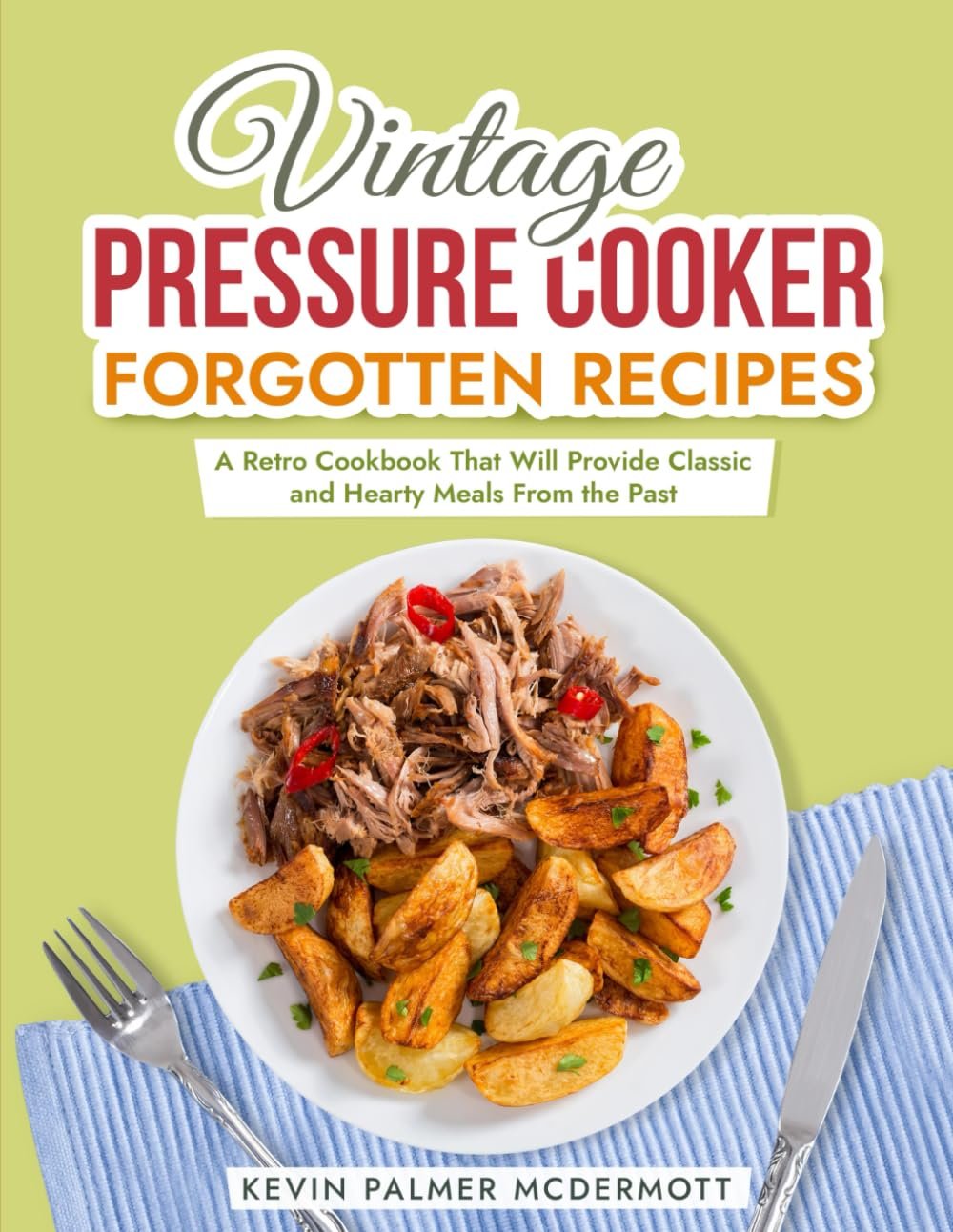
Vintage Pressure Cooker Forgotten Recipes: A Retro Cookbook That Will Provide Classic and Hearty Meals From the Past, part of the Vintage and Retro Cookbooks category, focuses on this traditional style of pressure-cooker cooking. A collection of vintage pressure cooker recipes can give modern home cooks an opportunity to explore dishes associated with earlier generations while learning how pressure cooking was incorporated into everyday meal preparation.
For today’s cook, the appeal is not necessarily about recreating the past exactly. Older recipes can also serve as inspiration. A classic stew can be adapted to contemporary ingredients, a traditional soup can become part of a weekly meal plan, and a familiar pressure-cooking technique can be applied to ingredients available in a modern grocery store.
At the same time, pressure cooking requires more attention to equipment safety than many ordinary cooking methods. Older recipes may have been written for pressure cookers with different designs, pressure ratings, and safety systems than modern appliances. Understanding the equipment is therefore just as important as understanding the recipe.
This guide explores vintage pressure cooker cooking, the types of meals associated with it, how a retro cookbook can be used today, who may find this type of resource useful, and the practical considerations worth keeping in mind when adapting older recipes to modern kitchens.
What Is a Vintage Pressure Cooker Cookbook?
A vintage pressure cooker cookbook is a collection of recipes associated with earlier styles of pressure cooking.
These recipes may reflect periods when pressure cookers were primarily stovetop appliances and home cooks were becoming familiar with using pressure to speed up the preparation of foods that traditionally required longer cooking.
Pressure cookers work by creating a sealed cooking environment in which steam increases pressure. The increased pressure raises the boiling point of water, allowing food to cook at a higher temperature than it would under ordinary atmospheric pressure.
This can be particularly useful for foods such as dried beans and tougher cuts of meat.
Vintage pressure cooker recipes often focus on practical meals rather than elaborate presentations. Soups, stews, roasts, vegetables, beans, and other hearty dishes are natural candidates for this cooking method.
The cookbook’s retro focus adds a historical dimension to the recipes, making it relevant to readers interested in traditional cooking as well as people looking for practical meal ideas.
Key Features of Vintage Pressure Cooker Recipes
A cookbook centered on forgotten pressure cooker recipes can offer several different forms of value.
Focus on Classic Meals
The emphasis on classic meals connects the recipes with traditional home cooking.
Many older pressure cooker dishes were designed around ingredients that could produce filling meals without requiring complicated preparation.
This makes the collection potentially useful for people who enjoy familiar comfort foods and traditional cooking.
Hearty Recipe Ideas
Pressure cooking works particularly well with ingredients that benefit from longer cooking.
Stews and braised dishes are common examples.
Tougher cuts of meat can become more tender through moist cooking, while beans and legumes can be prepared more efficiently than with some conventional methods.
Retro Cooking Inspiration
The vintage theme offers more than recipes.
It provides a glimpse into how previous generations approached meal preparation.
Older recipes can show how cooks used pressure cooking to make practical family meals from relatively ordinary ingredients.
A Different Approach to Modern Cooking
Today’s kitchens contain numerous cooking appliances.
Air fryers, slow cookers, electric multicookers, induction cooktops, and conventional ovens all provide different approaches to preparing food.
A vintage pressure cooker cookbook introduces another method while highlighting traditional recipes.
Opportunity for Recipe Adaptation
Older recipes can be used as starting points rather than rigid instructions.
Modern cooks can explore different vegetables, seasonings, herbs, grains, and serving styles while maintaining the general character of a traditional dish.
Any changes involving cooking pressure, liquid levels, or equipment safety should be approached carefully, however.
Understanding How Pressure Cooking Works
To appreciate pressure cooker recipes, it helps to understand the basic science.
At normal atmospheric pressure, water boils at approximately 212°F (100°C) at sea level.
Inside a sealed pressure cooker, steam pressure increases. This allows water to reach a higher temperature before boiling.
The higher cooking temperature accelerates many cooking processes.
This is particularly useful for foods that would otherwise require extended simmering.
The pressure cooker does not magically cook every ingredient faster in the same way. Cooking time depends on the food, its size, starting temperature, pressure level, and the particular appliance.
Why Pressure Cooking Works Well for Hearty Meals
Traditional hearty meals often include ingredients that benefit from prolonged moist cooking.
Tougher Cuts of Meat
Cuts containing significant connective tissue can become tender through extended cooking in a moist environment.
Pressure cooking can shorten the time required to reach tenderness compared with some conventional braising methods.
Dried Beans
Dried beans are another classic pressure-cooking ingredient.
Pressure cooking can reduce the cooking time compared with traditional stovetop simmering.
However, beans can foam during cooking, so pressure cookers should be filled and operated according to the manufacturer’s instructions.
Root Vegetables
Potatoes, carrots, turnips, and similar vegetables can be cooked quickly under pressure.
Their size matters. Large pieces require different cooking times from small pieces.
Soups and Stews
Pressure cooking is naturally suited to dishes containing liquid.
Ingredients can develop together in a sealed environment, producing meals with concentrated flavors.
How the Cookbook Can Be Used
A vintage pressure cooker cookbook can be incorporated into a modern kitchen in several ways.
Start With Familiar Dishes
If you are new to pressure cooking, begin with ingredients you already understand.
A simple soup or stew can help you become familiar with pressure release, cooking times, and liquid requirements.
Once the basic process is comfortable, more complicated recipes can be explored.
Explore Forgotten Family Meals
The vintage theme can also encourage readers to revisit dishes that may resemble recipes prepared by parents or grandparents.
Even if a specific family recipe is not included, the style of cooking may inspire similar meals.
Plan Weekly Meals
Pressure cooker meals can fit into weekly meal planning because many recipes center around ingredients that can be prepared in batches.
A pot of beans, stew, or soup can potentially provide more than one meal when properly cooled, stored, and reheated.
Prepare Meals for Gatherings
Hearty soups and stews can be practical for family gatherings.
However, cooking capacity varies between pressure cookers, so batch size should always remain within the manufacturer’s recommended limits.
Adapt Traditional Recipes
Once you understand the basic recipe, you can experiment with modern ingredients and flavor combinations.
For example, traditional vegetable soups can be adjusted with different seasonal vegetables while retaining the same general cooking method.
Classic Types of Pressure Cooker Meals
A vintage pressure cooker collection can cover many categories of food.
Soups
Soup is one of the most natural applications of pressure cooking.
Vegetables, beans, meat, broth, and seasonings can be combined into a single dish.
Pressure cooking can help soften ingredients and develop flavors relatively quickly.
Stews
Traditional stews often contain meat, potatoes, carrots, onions, and other vegetables.
The moist environment of pressure cooking is suitable for this style of meal.
The exact cooking time will depend on the size and type of ingredients.
Pot Roast
Pot roast is another classic example.
A tougher cut of beef can be cooked under pressure with vegetables and cooking liquid.
The goal is usually tenderness rather than simply reaching a minimum internal temperature.
Beans and Legumes
Pressure cookers can be particularly useful for dried legumes.
Different beans have different cooking requirements, and recipes may vary depending on whether the beans have been soaked.
Always follow appropriate pressure cooker guidance for cooking beans because foaming and expansion can affect safe operation.
Vegetables
Pressure cooking can prepare vegetables quickly, but overcooking is possible.
Tender vegetables generally require less time than dense root vegetables.
Rice and Grains
Certain pressure cookers can be used for rice and grains.
The required water ratio and cooking time depend on the grain and appliance.
Cooking With Older Recipes in a Modern Pressure Cooker
This is one of the most important considerations when using vintage recipes.
Older pressure cookers may have operated differently from modern appliances.
Some recipes were written around specific pressure levels or particular stovetop pressure cooker designs.
Modern pressure cookers can have different controls, pressure settings, safety mechanisms, and recommended operating procedures.
Therefore, the recipe should not automatically be transferred word-for-word to a different appliance.
The manufacturer’s manual should always take priority when it comes to safe operation, filling limits, pressure release, and compatible ingredients.
Pressure Cooker Safety
Pressure cookers contain hot food and pressurized steam.
Improper use can result in serious burns or other injuries.
Several basic safety principles are important.
Follow the Manufacturer’s Instructions
Every pressure cooker should be operated according to its specific instructions.
This includes understanding how to lock the lid, reach pressure, maintain pressure, release pressure, and determine when the cooker can be opened safely.
Do Not Force the Lid Open
A pressure cooker should never be opened while it remains pressurized.
Follow the appliance’s instructions for determining when pressure has been fully released.
Respect Maximum Fill Lines
Pressure cookers have specific maximum fill levels.
Some foods require even more space because they expand or foam during cooking.
Beans, grains, and similar ingredients can be particularly important in this respect.
Be Careful With Steam
Steam can cause severe burns.
Keep hands and face away from steam-release openings and follow the manufacturer’s recommended procedure.
Inspect the Equipment
Before using a pressure cooker, inspect relevant components such as the sealing gasket, lid, pressure-release mechanism, valves, and other safety parts according to the manufacturer’s instructions.
Damaged or worn components should be addressed before use.
Why Vintage Recipes Can Require Interpretation
Modern recipes often contain detailed instructions.
Older recipes may assume that the reader already understands basic pressure cooking.
A vintage recipe might say to cook an ingredient “at pressure” for a certain amount of time without providing extensive instructions about reaching pressure or releasing it.
A modern reader may therefore need to translate the recipe into the terminology of their appliance.
This is not necessarily a problem.
It can be an opportunity to learn the underlying technique rather than simply following a series of automatic instructions.
Understanding Natural and Quick Pressure Release
Modern pressure cookers often provide different methods for releasing pressure.
Natural Pressure Release
With natural release, the cooker is allowed to lose pressure gradually after cooking.
This can be useful for certain foods where a gradual pressure reduction is desirable.
Quick Pressure Release
A quick release uses the appliance’s designated pressure-release mechanism to reduce pressure more rapidly.
The appropriate method depends on the recipe and appliance.
Because steam can be extremely hot, pressure-release procedures should always follow the manufacturer’s instructions.
Who May Find This Cookbook Useful?
Home Cooks Interested in Traditional Recipes
People who enjoy old-fashioned meals may appreciate the focus on classic pressure cooker dishes.
Beginners Exploring Pressure Cooking
A dedicated cookbook can provide recipe ideas for people learning what types of foods work well in a pressure cooker.
Experienced Pressure Cooker Users
Experienced cooks may use vintage recipes to expand their collection beyond contemporary dishes.
Fans of Retro Cooking
Readers interested in culinary history may enjoy exploring how pressure cookers were incorporated into earlier home kitchens.
Families
Hearty soups, stews, beans, and other substantial meals can be practical for family cooking.
Recipe Collectors
Cookbook enthusiasts may appreciate a collection centered on a specific historical cooking method.
Important Things to Consider
The Appliance Matters
Not all pressure cookers operate identically.
The cooker model, pressure level, capacity, heat source, and safety mechanisms can affect how a recipe should be prepared.
Cooking Times Are Not Universal
A recipe’s cooking time should be treated as guidance rather than an absolute guarantee.
Ingredient size and appliance behavior can change the result.
Liquid Is Important
Pressure cookers require sufficient liquid to generate steam.
The correct amount depends on the appliance and recipe.
Do not arbitrarily reduce the liquid in a pressure-cooking recipe without understanding how the change affects pressure generation and cooking.
Some Ingredients Behave Differently Under Pressure
Foods such as dairy, thickeners, and certain delicate ingredients may require special handling.
They should be added according to appropriate recipe and appliance guidance.
Natural Thickening and Post-Cooking Thickening
Some traditional soups and stews become thicker as they cool.
Others may require a separate thickening step after pressure cooking.
Adding certain thickeners before pressure cooking can interfere with proper cooking or circulation in some appliances.
Follow recipe and manufacturer guidance.
Vintage Pressure Cooking vs. Slow Cooking
Slow cookers use relatively low temperatures over longer periods.
Pressure cookers use elevated pressure and higher cooking temperatures to shorten cooking times.
Both methods work well for soups, stews, beans, and certain meats.
The difference is largely about process and timing.
A slow cooker may suit someone who wants to prepare food early and let it cook over several hours.
A pressure cooker may suit someone who wants a shorter active cooking window.
Neither method is universally preferable.
Vintage Pressure Cooking vs. Conventional Stovetop Cooking
Traditional stovetop cooking provides direct control over heat and is suitable for a huge variety of dishes.
Pressure cooking creates a different environment.
Once the cooker reaches pressure, the food cooks in a sealed system.
This can be useful for foods that would otherwise need long simmering.
However, pressure cooking is less suitable for some foods where direct evaporation, browning, or frequent stirring is central to the recipe.
Pressure Cooking vs. Modern Electric Multicookers
Modern electric multicookers often combine pressure cooking with other functions.
They may provide automated temperature management, digital timers, slow-cooking modes, sauté functions, and other features depending on the appliance.
Traditional stovetop pressure cookers offer a different experience, with the cook managing the heat source and pressure more directly.
Vintage recipes can be adapted to modern electric appliances in some cases, but users should not assume that every recipe transfers directly.
Building a Vintage-Inspired Meal
A retro pressure cooker recipe can become the centerpiece of a complete meal.
For example, a hearty stew can be served with homemade bread and a simple green salad.
A bean dish can be paired with rice and fresh vegetables.
A traditional soup can accompany sandwiches or a simple bread-based side.
The vintage character does not need to extend to every component.
Modern side dishes can work perfectly well alongside traditional pressure-cooked meals.
Using Seasonal Ingredients
Older recipes often relied heavily on ingredients available in a particular season.
Modern cooks can use the same principle.
Winter meals may emphasize:
- Potatoes
- Carrots
- Root vegetables
- Beans
- Cabbage
- Hearty meats
Spring and summer meals can incorporate lighter vegetables and fresh herbs.
Using seasonal ingredients can make traditional recipes feel more connected to contemporary cooking.
Adapting Recipes Without Losing Their Character
There is a difference between adapting a recipe and completely replacing it.
A small adjustment to herbs, vegetables, or serving style may preserve the original concept.
Changing the core cooking method can produce a different dish.
For example, replacing pressure cooking with ordinary simmering changes the timing and cooking environment.
Similarly, substantially changing the amount of liquid can affect pressure cooking itself.
When adapting a vintage recipe, it is helpful to identify which elements define the dish and which are more flexible.
Common Mistakes When Using Vintage Pressure Cooker Recipes
One common mistake is assuming that an old recipe’s instructions automatically apply to every modern pressure cooker.
Another is ignoring the manufacturer’s fill limits.
Using too much food can interfere with safe operation.
A third mistake is relying entirely on the stated cooking time without considering ingredient size.
Large chunks of meat and small pieces of vegetables obviously do not cook at the same rate.
Improper pressure release is another concern.
Always follow the specific safety procedure for the appliance.
Finally, beginners sometimes change several ingredients at once. This can make it difficult to understand why the final dish differs from the original recipe.
Tips for Getting Started
Start with a straightforward recipe.
Become familiar with your pressure cooker’s controls and safety features before attempting complicated dishes.
Prepare ingredients in advance.
Cut vegetables into reasonably consistent pieces so they cook more evenly.
Read the entire recipe before beginning.
Pay attention to when ingredients are added. Some foods require different cooking times and may need to be introduced at separate stages.
Keep the manufacturer’s manual nearby.
And remember that learning pressure cooking involves understanding both the food and the appliance.
Frequently Asked Questions
What is Vintage Pressure Cooker Forgotten Recipes?
It is a retro cookbook focused on classic and hearty meals associated with traditional pressure cooking.
Is it suitable for beginners?
The collection can be useful for people interested in learning about vintage pressure cooker recipes, although beginners should also understand the operating instructions for their specific pressure cooker.
What types of foods work well in pressure cookers?
Soups, stews, beans, legumes, certain meats, root vegetables, and some grains are commonly prepared using pressure cooking.
Can I use vintage recipes in a modern pressure cooker?
Some recipes can be adapted, but older pressure cookers and modern appliances can differ. Always follow the instructions for the specific pressure cooker being used.
Are pressure cookers safe?
Modern pressure cookers incorporate safety systems, but they must still be operated correctly. Following the manufacturer’s instructions is essential.
Can I open a pressure cooker immediately after cooking?
Only when pressure has been completely released according to the appliance’s instructions. Never force the lid open.
What is natural pressure release?
Natural pressure release allows the pressure inside the cooker to decrease gradually after cooking.
What is quick pressure release?
Quick release uses the pressure-release mechanism specified by the appliance to reduce pressure more rapidly.
Why do pressure cookers need liquid?
Liquid produces steam, which is necessary for the pressure-cooking process. The required amount depends on the recipe and appliance.
Can I reduce the liquid in an old recipe?
Do not reduce liquid casually. Pressure cookers require appropriate liquid to generate and maintain pressure, and the manufacturer’s instructions should be followed.
Can I cook beans in a pressure cooker?
Yes. Beans are a traditional pressure-cooking ingredient, but they can expand and foam. Follow the manufacturer’s recommended filling limits and preparation instructions.
Can I cook meat in a pressure cooker?
Yes. Many types of meat can be prepared under pressure, particularly cuts that benefit from moist cooking.
Why can pressure cooking make meat tender?
Pressure cooking combines elevated temperature with a moist environment, which can help break down connective tissue in appropriate cuts of meat.
Can vegetables become overcooked?
Yes. Vegetables can cook quickly under pressure, and delicate vegetables may require shorter cooking times than dense root vegetables.
Can I thicken soup before pressure cooking?
It depends on the appliance and recipe. Some thickeners can interfere with cooking or circulation, so follow appropriate pressure cooker guidance.
Can dairy be used in pressure cooker recipes?
Some recipes include dairy, but dairy products may require special handling depending on the appliance and preparation method.
Do vintage pressure cooker recipes require special ingredients?
Not necessarily. Many traditional pressure cooker recipes use familiar ingredients such as meat, vegetables, beans, grains, herbs, and broth.
Are these recipes suitable for family meals?
The focus on classic and hearty meals makes this type of cookbook relevant to family cooking.
Can I prepare meals ahead of time?
Many pressure-cooked meals can be prepared in advance and stored appropriately, but food should be cooled, refrigerated, and reheated according to safe food-handling practices.
Can I freeze pressure-cooked meals?
Some soups, stews, beans, and similar dishes freeze well, although texture can vary depending on the ingredients.
Are pressure cookers faster than conventional cooking?
They can substantially reduce cooking time for certain foods, particularly ingredients that traditionally require long simmering or braising.
Can I use a stovetop pressure cooker?
Vintage recipes were often associated with stovetop pressure cookers. Modern stovetop models should still be operated according to their own manufacturer’s instructions.
Can I use an electric pressure cooker?
Some traditional recipes can be adapted, but pressure settings, controls, and cooking behavior may differ. Follow the instructions for the specific appliance.
Why are vintage pressure cooker recipes interesting?
They combine practical cooking techniques with a glimpse into earlier home-cooking traditions.
Can I modify the recipes?
You can experiment with compatible ingredients and flavors, but changes to liquid, cooking pressure, fill levels, or other technical aspects should be made carefully.
Should I follow the recipe or the pressure cooker’s manual?
When safety or appliance operation is involved, the manufacturer’s manual should take priority.
What should beginners learn first?
Start by understanding how the pressure cooker locks, reaches pressure, maintains pressure, releases pressure, and handles different fill levels.
Final Thoughts
Vintage pressure cooker recipes provide an interesting connection between traditional home cooking and a cooking method that remains useful today. The meals associated with pressure cooking often emphasize practical ingredients, hearty portions, soups, stews, beans, vegetables, and cuts of meat that benefit from moist cooking.
Vintage Pressure Cooker Forgotten Recipes: A Retro Cookbook That Will Provide Classic and Hearty Meals From the Past offers a focused way to explore this style of cooking through the lens of older recipes and retro kitchen traditions.
For someone interested in vintage cooking, the collection can provide inspiration for rediscovering dishes that may be less common in contemporary kitchens. For a beginner, it can also serve as a source of ideas for learning what kinds of meals are well suited to pressure cooking.
The most important consideration is that vintage recipes should be understood in the context of modern equipment. Pressure cookers have evolved, and different models can have different pressure levels, controls, safety mechanisms, and operating requirements. An old recipe should therefore not override the instructions supplied with the appliance being used.
Learning pressure cooking is partly about understanding recipes and partly about understanding the equipment. Once those fundamentals are clear, traditional dishes can be adapted thoughtfully to contemporary kitchens.
A practical approach is to start with straightforward recipes, learn how your pressure cooker behaves, follow appropriate fill limits, use the correct amount of liquid, and become comfortable with pressure-release procedures before moving to more complicated meals.
The vintage character of these recipes can also be used as inspiration rather than a restriction. Traditional soups can be paired with modern salads, classic stews can incorporate seasonal vegetables, and familiar family-style dishes can become part of contemporary weekly meal planning.
For readers interested in classic cooking, retro kitchen traditions, and the practical possibilities of pressure cooking, a vintage recipe collection can provide a useful combination of culinary inspiration and historical perspective.
Leave a Reply